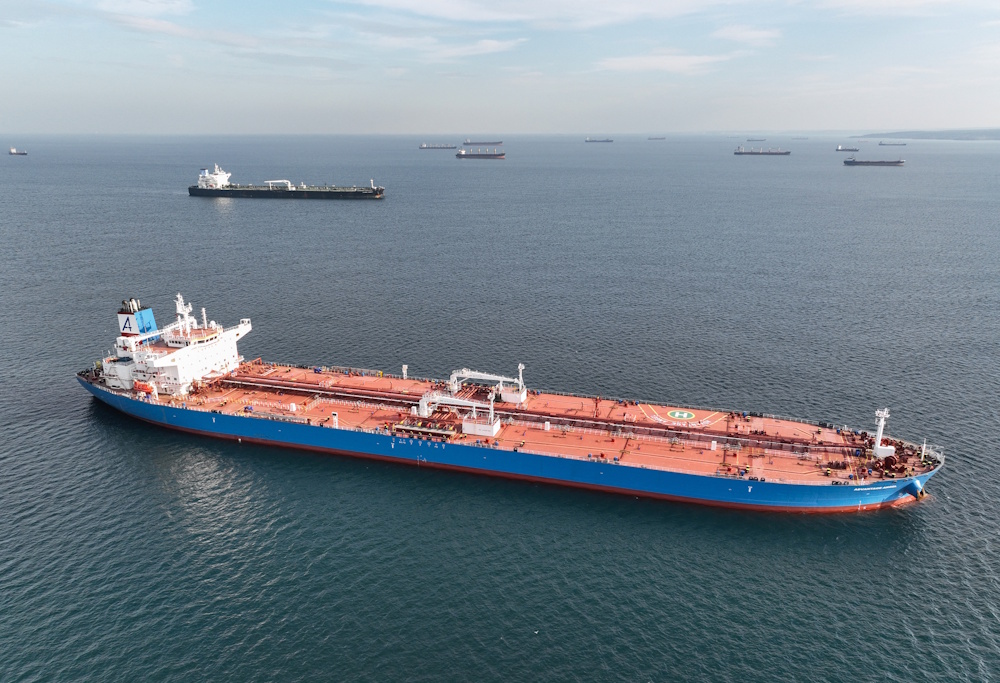
Oil prices fell by 8% on Monday, marking the largest single-day drop for crude since May 25. The information influencing oil markets is scant at best: The Trump administration has halted plans to intensify the conflict. Moreover, the absence of hostilities this weekend indicated a potential opportunity for the two nations to re-engage in diplomatic discussions. This conflict has expanded and presents no straightforward resolution. The United States lacks a definitive exit strategy. Iran continues to be motivated to exert comprehensive control over shipping traffic that enters and exits the oil-rich region. Traffic through the Strait of Hormuz is effectively halted, while activity through the Bab-al-Mandeb strait has decreased significantly, as oil tankers are reluctant to expose themselves to potential fire from Iranian and Houthi forces. Yet oil markets continue to exhibit a tendency towards stability, with prices declining in response to any indication of favourable developments. In mid-April, following the announcement of a ceasefire, crude prices fell below pre-war levels in June, coinciding with the signing of a short-lived Memorandum of Understanding between Iran and the United States. The market’s resilience during the war has provided traders with substantial justification to maintain a ceiling on crude prices, despite the intermittent nature of the conflict introducing significant uncertainty regarding the oil market’s potential return to “normal.”
Demand for oil has persistently exhibited a remarkable decline in recent months, as the global market adjusted to the loss of approximately 13 million barrels of supply daily following Iran’s effective lockdown of the Strait of Hormuz. China, in particular, has depended significantly on the substantial oil reserves it accumulated prior to the conflict, a strategy that now seems particularly astute. As oil prices increased, China significantly cut its crude imports by approximately 5 million barrels per day, as reported. It remains uncertain how much longer this situation can persist; however, it is likely that there are sufficient reserves to sustain operations for an additional three to four months, according to Natasha Kaneva. Meanwhile, nations organised by the International Energy Agency persist in discharging millions of barrels of oil weekly from their strategic petroleum reserves, with a notable emphasis on the United States. That has mitigated the impact of the most significant oil supply disruption on record. Emergency and commercial inventories are currently at or approaching operational stress levels, beyond which the laws of physics impede oil companies from efficiently transferring oil from storage into pipelines for delivery to refineries. That alarmed President Donald Trump in June, and he recognised that dwindling stockpiles could lead to “economic catastrophe.”
In the brief span of three weeks following the reopening of the Strait of Hormuz, over 200 million barrels of oil were released from the Persian Gulf, contributing approximately 17 weeks’ worth of oil supply to the market and resulting in a temporary surplus, as noted by Andy Lipow. That is the reason why, in spite of the escalating conflict that temporarily pushed oil prices above $100 a barrel last week, numerous analysts within the oil industry maintained their composure. Daan Struyven, upheld his $80 forecast on Brent crude, the international benchmark, for the remainder of the year. The risk, as noted by Struyven and others, lies in the potential for the Strait of Hormuz to remain closed to oil traffic for an extended duration. The market may be underestimating the risk of a prolonged oil standstill. Despite the recent lull in hostilities, Iran continues to exert significant control over the Strait of Hormuz. Iran has redirected vessels that were attempting to navigate what it termed a “illegal and unsafe route” through the waterway, as reported by state broadcaster IRIB on Monday, referencing an unnamed “informed source.”
On Saturday, only one vessel navigated the Strait of Hormuz, as reported by Windward Intelligence. Zero vessels entered. Johannes Rauball, informed on Monday that vessel transits are presently “hovering near a complete standstill” through the strait. Even during the 60-day ceasefire agreed on June 18, Iran mandated that vessels wishing to transit the strait coordinate with its newly established Persian Gulf Strait Authority, or face the risk of being targeted by its armed forces. There remains significant uncertainty regarding the future course of the war and the possibility of Iran reinstating substantial toll fees for vessels passing through the strait, as was the case earlier in the conflict. Last week, an insurance trade group indicated that policies could be nullified if vessels were to pay tolls to Iran for transiting the strait, as this would constitute a breach of US sanctions.
The conflict has also expanded to include another vital maritime trade route, the Bab al-Mandeb Strait situated at the southern entrance of the Red Sea. In recent days, Iranian-supported Houthi rebels have launched attacks on Saudi Arabian oil tankers and announced a blockade of the strait. “The main market risk remains the energy and shipping front,” analysts wrote in a Monday note, adding that Houthi attacks raise “the prospect of simultaneous disruption to both Gulf and Red Sea export routes.” They wrote “So (there’s a) welcome pause from the main actors but a fragile one, especially with side battles going on.” The market is optimistic over the likelihood of Strait of Hormuz reopening, yet “terrified” that it won’t happen for months, Lipow noted. “We certainly have seen this movie before,” he said. “The market just violently reacts to the latest headline or, in this case, no headline.”