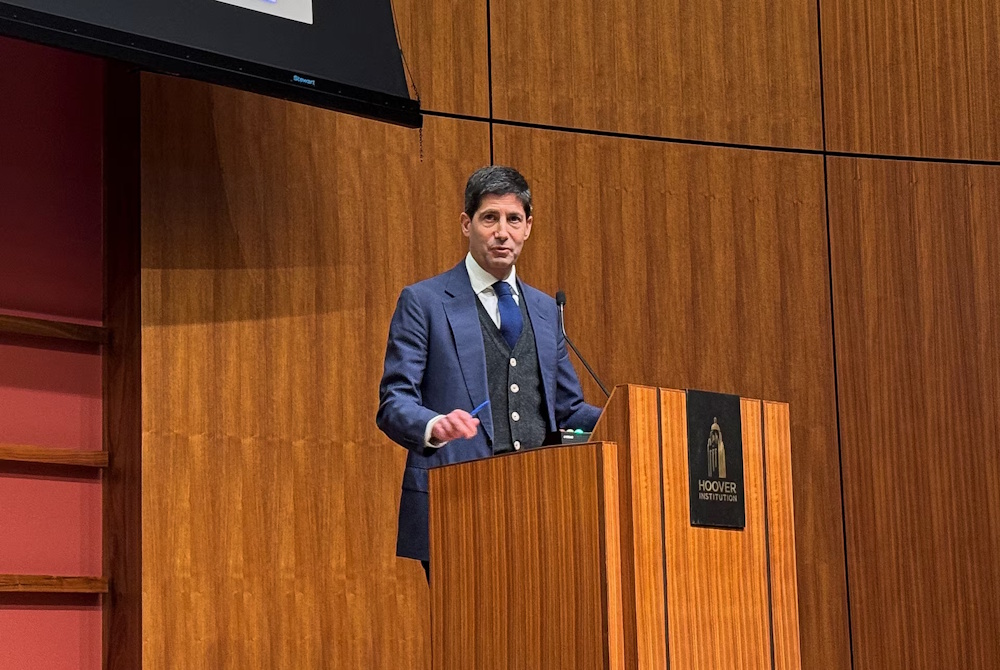
The public is increasingly discontent with the elevated cost of living, placing renewed pressure on the Federal Reserve to take action. Kevin Warsh, the new Fed chairman, has committed to restoring inflation to the target rate of 2%. Some investors suspect that the Fed, under Warsh’s leadership, will demonstrate its commitment to that pledge by increasing rates as early as Wednesday. And yet, despite the considerable influence of the Fed, its arsenal for combating inflation is constrained in addressing the supply-driven inflation currently confronting America. The Fed is unable to create a lasting ceasefire in the conflict with Iran, reopen the Strait of Hormuz, or eliminate President Donald Trump’s elevated and fluctuating tariffs. “Rate hikes won’t keep the bombs from dropping,” said Benson Durham. The Fed primarily extinguished the post-Covid inflationary pressures by significantly raising interest rates beginning in 2022. Those rate hikes were intended to temper excessive demand, allowing supply the opportunity to recover. However, the inflation we are experiencing today is distinct. First, it is not as severe. Inflation currently stands at approximately 3.5%, exceeding the 2% target yet significantly lower than the 9.1% inflation rate observed in mid-2022. Second, the current economy is not experiencing excessive demand that would indicate overheating. Hiring remains subdued. Wage growth has moderated, scarcely matching the pace of inflation.
Rather than being fuelled by excessive demand, inflation is primarily a consequence of supply chain disruptions that are contributing to rising costs across various goods. The conflict with Iran has disrupted the energy supply from the Middle East, resulting in increased prices for diesel, petrol and jet fuel. High tariffs have indeed increased the cost of certain goods, although the rise has not been as significant as many had anticipated. “Monetary policy 101 says when there is a supply shock, don’t respond. Follow the script. It’s worked pretty well,” Mark Zandi told. “Bottom line: I don’t think they should raise rates.” Zandi cautioned that increasing rates to temper demand might destabilise the stock market, potentially leading to a downturn in the job market. “That’s a dangerous game to play. The labor market is weak and it wouldn’t take a lot to push us into a recession,” Zandi said. The job market has shown signs of stabilisation following a notably weak 2025; however, hiring continues to exhibit softness. Former Fed Chair Janet Yellen contended last month that the “default strategy” for the Fed ought to be “looking through supply shocks,” rather than succumbing to the allure of rate hikes. “Monetary policy cannot tame supply-driven inflation without exacting unacceptable unemployment costs,” Yellen said at a Brookings event. The exception, as noted by Yellen, would arise in the event that inflation expectations surge dramatically. That is significant because if the public and investors begin to question the return of inflation to normal levels, it is probable that workers will seek substantial wage increases, prompting companies to raise prices in anticipation. It has the potential to evolve into a self-fulfilling prophecy.
However, economists assert that inflation expectations, particularly those derived from market-based indicators, remain far from the perilous territory. Moody’s projects that approximately 0.66 percentage points of the anticipated inflation by year-end will be attributable to the conflict in Iran. Another 0.17 percentage points is attributed to tariffs and trade restrictions, with a lesser contribution from restrictive immigration policy. “None of those things will be solved by higher rates,” said Stephanie Roth. Goldman Sachs economists have determined in a recent report that there is “little reason to think” limited rate hikes would “provide much help in bringing inflation down.” However, demand is influencing the artificial intelligence boom, which has resulted in increased prices for memory and other components. Moody’s estimates that AI will contribute to an increase in inflation by approximately a quarter of a percentage point, largely due to the substantial resources being allocated towards the necessary infrastructure. Apple recently implemented significant price increases on the MacBook, iPad, and other products, attributing this decision to “an extraordinary surge in demand for memory and storage” associated with the expansion of data centers as companies accelerate their entry into the AI market. Given the substantial influx of capital into AI, Zandi expresses scepticism that Warsh & Co. can significantly alter this trajectory merely by implementing a few rate hikes. “That train has left the station and is barreling down the tracks. It won’t be stopped by a rate hike or two,” Zandi said. As the Federal Reserve’s decision approaches, there is a notable level of tension surrounding the anticipated actions regarding interest rates.
Typically, Federal Reserve officials provide sufficient indications through their speeches and interviews, allowing Wall Street to form a reasonably accurate expectation of forthcoming developments. However, there exists a genuine discourse today, as the market reflects a 38% probability of an increase and a 62% probability of no adjustment, as indicated by CME FedWatch. The suspense is partly fuelled by Warsh’s reluctance to signal the Fed’s probable actions. Warsh has contended that what is referred to as forward guidance proves to be counterproductive, binding officials to projections that frequently do not materialise. David Kelly believes that current inflation levels are not sufficiently “sticky” to necessitate intervention from the Federal Reserve. “This is Teflon inflation. It won’t stick. It’ll just slide away, slowly,” Kelly said. That does not imply that prices will return to the pre-Covid levels that many in the public desire. It would simply indicate a shift towards more nuanced price increases, ones that consumers can accommodate with larger pay cheques. “The only way to get prices back down is to cause a recession,” Kelly said. “Affordability can only be achieved by raising income, not lowering prices.”