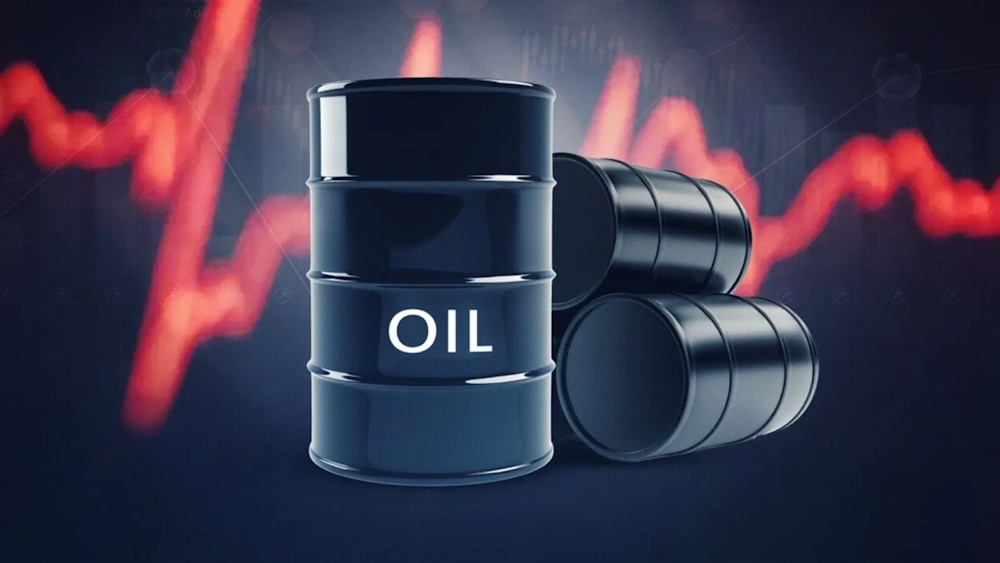
Global oil prices have returned to $100 per barrel, reaching their highest levels since July, as escalating conflict in the Middle East heightens fears of sustained interruptions to oil supply. Brent crude, the global oil benchmark, experienced a 2.3% increase early Wednesday, momentarily reaching $100 per barrel for the first time since July, before experiencing a slight decline. US crude oil increased by 1.3%, reaching $94 per barrel. Brent reached $100 per barrel following a day marked by conflict and significant war developments, which included US strikes on Iranian oil tankers and earlier attacks on Saudi Arabia by Iran-backed Houthis. Oil prices have experienced significant volatility this year, fluctuating as traders respond to escalations in conflict and observe oil tanker movements through the Strait of Hormuz. Overall, both Brent and US crude have increased by over 60% this year, contributing to a rise in energy costs worldwide. The increase in oil prices has led to a rise in the cost of oil products, including petrol and diesel, impacting consumers’ finances and drawing attention to inflation for central banks.
Oil prices have risen this month as tensions between the United States and Iran have resurfaced. Tensions over the Strait of Hormuz are heightening apprehensions that oil tankers will persist in encountering challenges while attempting to navigate this crucial waterway. The US engaged four Iranian tankers in the Gulf of Oman and one near Kharg Island as a countermeasure to attempted ballistic missile strikes on a US Navy warship, according to a statement from US Central Command on Tuesday. Kharg Island, situated in the Persian Gulf, serves as a pivotal center for Iran’s oil exports. Oil prices experienced a notable increase on Tuesday following the assault by Iran-backed Houthi rebels on Saudi Arabia, which specifically targeted oil and other critical infrastructure. Forces led by Saudi Arabia have pledged to take action, reporting that numerous civilians sustained injuries. Oil prices reduced some of their earlier gains during midday trading before continuing their upward trajectory in the afternoon. The Yemen-based Houthis’ attacks on Saudi Arabia heighten apprehensions regarding the expansion of the Iran conflict throughout the region, affecting oil production, perpetuating a slowdown in the global oil flow, and exerting pressure on supply.
Brent’s return to $100 per barrel reflects the persistent uncertainty surrounding oil supply and the risks posed to refineries in the Middle East. It also indicates that elevated energy prices may continue to be a persistent issue. The increase in oil prices this year has coincided with a rise in petrol and diesel prices, thereby exerting additional pressure on consumers. The US national average diesel price reached a historic $5.90 per gallon on Tuesday, as reported. The closure of the Strait of Hormuz has significantly disrupted the global supply of liquefied natural gas, contributing to elevated energy prices worldwide. “The combination of expensive diesel, jet fuel, bunker fuel and natural gas is particularly uncomfortable for consumers around the world, who see their disposable income shrinking,” Ole Hansen said in a note. Brent first settled above $100 per barrel this year on March 12, marking its highest level since 2022 when Russia invaded Ukraine. Following a notable increase in April and May, Brent experienced a significant decline, dropping to a low of $72 per barrel in June, coinciding with announcements from the US and Iran regarding an agreement to re-open the Strait of Hormuz.
Brent resumed its upward trajectory as conflict continued, surpassing $100 per barrel once more in July, before experiencing fluctuations and reaching that threshold again late Tuesday. The price of oil has fluctuated as traders observe traffic through the Strait of Hormuz and attempt to assess the potential for larger supply challenges in the market. The United States is endeavouring to facilitate the passage of oil tankers through the strait, whereas Tehran asserts its continued control over the area. “Traders will remain focused on how transportation volumes are moving out of the Middle East, as it now seems volumes can change very quickly,” Dennis Kissler said in a note. Fighting in recent months has expanded to the Red Sea and the Bab al-Mandab Strait, thereby complicating the outlook for the oil market. The Houthis have focused their efforts on the Bab al-Mandab Strait, a crucial maritime corridor located off the coast of Yemen, linking the Red Sea with the Gulf of Aden. The Houthis’ attacks on Saudi oil infrastructure are heightening concerns that the region may experience increased disruptions to oil production.
While disruptions to oil supply are under scrutiny, analysts are concurrently monitoring demand. China, recognised as the world’s largest oil importer, has contributed to stabilising oil prices by reducing its import levels in recent months, according to analysts. If imports increase in China, it may lead to a rise in oil prices. The recent escalation of tensions in the Middle East has unsettled the stock market, resulting in a 0.6% decline in the S&P 500 on Tuesday. The S&P 500 has experienced a decline of less than 2% since reaching a record high in mid-August. Stocks remain close to record highs; however, the market has experienced a decline over the past month as the increase in oil prices has reignited concerns regarding inflation and the potential for elevated interest rates. Central banks worldwide are anticipated to maintain interest rates at current levels or potentially increase them due to the surge in energy prices triggered by the closure of the Strait of Hormuz. Bond yields around the world have increased significantly in recent weeks as traders prepare for central bank rate hikes and evaluate the inflationary effects of rising oil prices. The stock market is entering a critical stretch where the combination of conflict in the Middle East and a series of central bank decisions will test investors’ resolve.