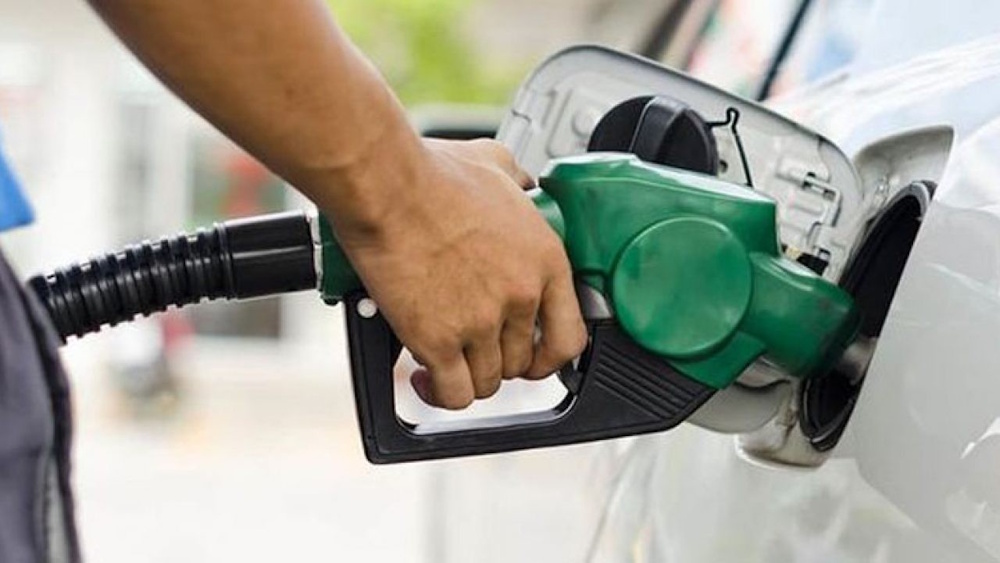
Consumer sentiment appears to be on the mend following a period of unprecedented decline attributed to wartime price surges. The University of Michigan’s latest survey of Americans, released Friday, indicated that sentiment increased by 9% to a preliminary reading of 48.9 early this month. This marks the first rise since February, prior to the destabilising conflict involving the United States and Israel with Iran, which has led to a surge in global energy prices. Petrol prices, which significantly affect public perception of the economy, increased in the weeks following the onset of the war, resulting in sentiment plummeting to a record low on two occasions. Petrol prices have experienced a decline in recent weeks, contributing to a recovery in sentiment. “This month, consumer sentiment ticked up… with consumers experiencing some relief due to the early-month easing in gasoline prices,” Joanne Hsu said in a release. “Lower-income consumers exhibited a particularly strong sentiment increase, consistent with the fact that gasoline comprises a larger share of their budgets.” Sentiment has finally risen from a level that was lower than any observed during foreign wars, 9/11, the Great Recession, the pandemic, and previous episodes of elevated inflation in the post-World War II period.
However, sentiment is expected to remain low unless there is a significant decline in petrol prices, which would likely necessitate the unrestricted movement of oil tankers through the Strait of Hormuz, a critical chokepoint accounting for one-fifth of global oil transit. Sentiment has been experiencing a prolonged downturn for several reasons, primarily attributed to the cumulative price shocks of recent years that have exacerbated affordability issues. However, there are indications that consumers may be acclimating to these conditions. Since 2020, Americans have faced a series of unprecedented events that have significantly impacted the economy. That indicates a lack of a prolonged and consistent phase of increasing sentiment to rebound from the economic disruptions experienced in recent years. The pandemic recession marked a significant downturn in sentiment, following the longest economic expansion on record that Americans had previously experienced. Subsequently, post-pandemic inflation emerged as a significant concern, leading to a decline in sentiment to an unprecedented low in June 2022.
In 2023, persistent rate hikes from the Federal Reserve aimed at controlling inflation, coupled with a standoff in Congress regarding the debt ceiling, adversely affected sentiment once more. In 2024, a consistent recovery was observed; however, this advancement was completely reversed in 2025 following President Donald Trump’s announcement of extensive tariffs. This development caused consumer anxiety, subsequently leading to a decline in sentiment once more. The Iran war is serving as yet another shock, largely due to its effect on petrol prices. For sentiment to finally move above historically low levels, it would necessitate an extended period of economic stability characterised by low inflation. A separate quarterly survey from TransUnion released earlier this week indicated that consumers’ optimism has remained relatively stable compared to a year ago, coinciding with Trump’s announcement of his extensive “Liberation Day” tariffs last April. However, the level of pessimism dropped, as noted by Charlie Wise. “We observe considerable resilience among consumers who appear to have adapted to the volatile conditions of our current environment, along with significant price uncertainty,” he stated in an interview.
Inflation continued to be the primary financial concern for consumers in the second quarter, increasing to 50% from 47%, as reported by the credit bureau’s latest Consumer Pulse Survey. “A cynic might argue that they are becoming desensitised to the situation, but I believe it is more accurate to say that they are acclimating to the fact that price stability is likely to remain somewhat out of equilibrium for an extended period,” he stated. When inflation reached 9.1% in June 2022, a significant number of consumers were unaccustomed to such a degree of price volatility, Wise noted. Ultimately, it represented the most significant inflationary period observed in forty years. “So now, when you look at gas prices and energy prices that have increased, I think that consumers may be more likely to say at this point, ‘you know, I lived through this fairly recently and managed to come out OK on the other side; I’ll probably be OK this time too.’”