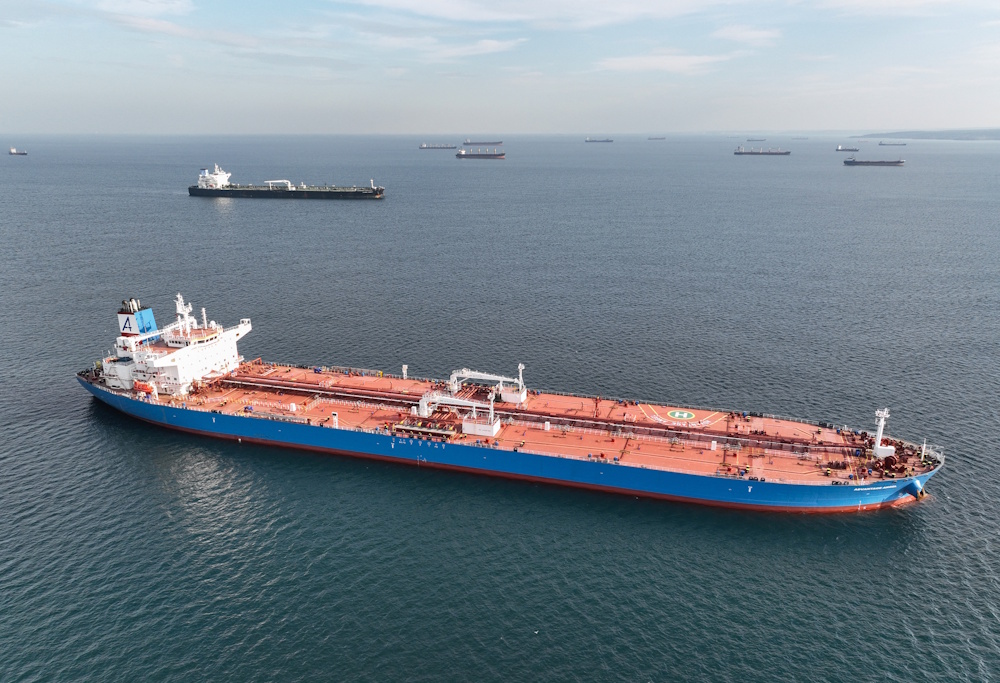
Prior to the conflict in Iran, approximately 15 million barrels of oil from the Persian Gulf were transported daily via the Strait of Hormuz. Within a few years, a significant portion of that oil may circumvent the strait. As Iran’s control over the strait persists and oil prices escalate, nations throughout the Gulf are preparing to invest billions of dollars in constructing pipelines that will allow them to reroute greater supplies to ports situated along the Red Sea, Suez Canal, and Gulf of Oman. According to government officials, oil companies, and analysts, there are currently at least seven significant pipeline projects either under construction, in the planning stage, or being considered as potential developments. Even alternatives to Hormuz can become susceptible, as evidenced by the actions of Iran-backed Houthi rebels in Yemen, who have recently declared a blockade on vessels associated with Saudi interests attempting to navigate the Red Sea. However, the conflict has served as a crucial reminder for Gulf oil producers, who are resolutely seeking to reduce their reliance on a transit point situated along Iran’s coastline. Some alternative routes will take the oil on longer and more expensive paths to market. Regardless, relying so heavily on the Strait of Hormuz “is no longer a prudent long-term strategy,” said Victoria Grabenwoger.
The effective shutdown of the Strait of Hormuz would have posed an even greater shock to the world economy were it not for a pipeline constructed by Saudi Arabia in the 1980s, a strategic response to concerns that Tehran might disrupt shipping through the strait during the Iran-Iraq war. The East-West pipeline in Saudi Arabia transports oil from a processing facility in Abqaiq to the city of Yanbu, located on the Red Sea coast, traversing the desert landscape of the nation. Once there, it is loaded onto tankers that proceed either south to the Arabian Sea or north to the Suez Canal. The United Arab Emirates has increased its oil shipments to the port of Fujairah, located adjacent to the Gulf of Oman, approximately 145 kilometres south of Hormuz. Prior to the onset of the conflict, the two pipelines collectively possessed a spare capacity ranging from approximately 3.5 million to 5.5 million barrels per day, as reported by the US Energy Information Agency. The two pipelines are currently operating at nearly maximum capacity. The state-owned oil company of Abu Dhabi, one of the UAE’s seven emirates, is expediting the construction of a USD 3 billion, 300-kilometre pipeline to Fujairah. The pipeline, designed to operate alongside an existing one, seeks to enhance oil deliveries to Fujairah by over 1.2 million barrels per day. The project, which commenced prior to the conflict, is now said to be approximately fifty percent complete, as per Kpler. The pipeline is projected for completion by early 2027; however, Kpler suggests that mid-2027 is a more probable timeline due to the necessity of expanding the port at Fujairah. The ambitious timeline “has only become feasible against the backdrop of the Strait of Hormuz blockade,” Kpler’s Grabenwoger said.
In Iraq, officials are intensifying efforts to establish alternative export routes for the southern oil fields located near Basra. Iraq’s reliance on the Strait of Hormuz has necessitated a reduction in its production levels. The Iraqi government, which derives approximately 90 percent of its revenues from oil sales, has been actively engaging in pipeline projects with US companies. Supplies would be transported from an oil terminal in Basra, which previously facilitated the export of over 3 million barrels daily prior to the conflict, to the port of Ceyhan in Turkiye, located along the Mediterranean Sea. That pipeline would also feature a branch extending to the Mediterranean port of Baniyas in Syria. Approximately 2 million barrels per day of oil may eventually transit through the pipeline to Baniyas, which has been designated by the US State Department as “a critical energy corridor.” Iraqi officials have engaged in discussions with Jordan regarding the advancement of long-discussed plans for a pipeline intended to transport oil from Basra to Aqaba. Subsequently, it would be exported through the Red Sea or the Suez Canal to Asia and further afield.
According to analysts at the investment bank Goldman Sachs, the new projects designed to circumvent Hormuz could transport 3.8 million barrels of oil daily by the end of next year, increasing to 7.3 million barrels per day by the end of 2028. It is estimated that approximately 60 percent of the Gulf’s total prewar exports, which amount to 23 million barrels per day, would remain unaffected in the event of a Hormuz cutoff. Pipelines from the Persian Gulf to the Mediterranean Sea transport oil in a manner that may seem counterintuitive, as they serve to assist Asian nations that depend on exports via the Strait of Hormuz. Transporting the oil to its ultimate destination necessitates a significantly extended journey around the southern extremity of Africa. Any additional supplies transported from Saudi Arabia to the Red Sea will also face risks of attacks by Houthi rebels in Yemen; these rebels have previously demonstrated their capability to disrupt shipping at the Bab el-Mandeb Strait, which links the Red Sea to the Gulf of Aden.
Ships loading at the port of Yanbu have the option to utilise the Suez Canal; however, the canal’s limitations prevent it from accommodating the industry’s largest tankers, which can carry up to 2 million barrels per vessel and are frequently the most economical means of transporting oil over long distances. Even pipelines located at a considerable distance from Iran remain susceptible to assaults by the paramilitary Revolutionary Guard or militant factions associated with it in the region. The Saudi East-West pipeline experienced a shutdown due to a Houthi drone strike in May 2019. As the Gulf’s energy sector strategises to reroute oil supplies away from Hormuz, it faces an additional layer of complexity and cost: approximately one-fifth of the global liquefied natural gas, predominantly sourced from Qatar, also passed through the strait prior to the conflict.