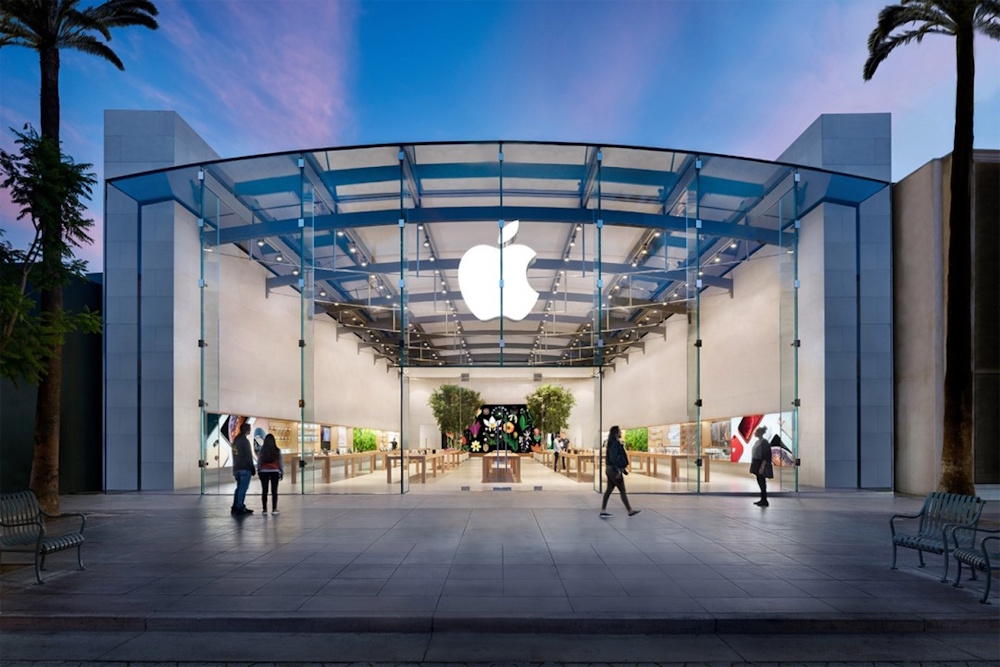
Apple received an estimated $2.2 billion in tariff refunds during the last quarter. Amazon received $600 million. Nike received $300 million. However, American consumers who faced increased prices due to President Donald Trump’s tariffs are receiving little to no compensation in return. Corporate payouts could be merely the initial phase as the government persists in processing refund claims following the Supreme Court’s annulment of Trump’s most extensive levies earlier this year. In total, the government is obligated to reimburse hundreds of thousands of importers approximately $166 billion. A little more than half of that has already been disbursed, as indicated by a court filing from Customs and Border Protection. The levies cost households an estimated $1,000 on average last year, according to the Tax Foundation. Prior to the Supreme Court’s intervention, the Trump administration had proposed $2,000 tariff rebate checks as a means to redistribute a portion of the revenue accrued by the government. Those, however, did not come to fruition.
The tariff refund system is designed such that only those parties who directly incurred the tariffs — or the customs brokers representing them — are eligible to submit a refund claim. Consequently, if one purchased a pair of Nike trainers that subsequently increased in price due to the company transferring some of its heightened tariff expenses, there exists no legal recourse to reclaim that expenditure. In numerous instances, it is exceedingly difficult to ascertain the extent to which a company’s tariff refund has been borne by consumers. That is attributable to Trump’s implementation of several rounds of tariffs during his second term, in addition to those that were invalidated by the Supreme Court. Even when a company raises prices, it can be challenging to ascertain which tariffs those increases were intended to offset. Adding another wrinkle: Many businesses did not transfer the entire burden of tariffs onto consumers initially, choosing instead to absorb a portion of the impact themselves.
Amazon has distinguished itself by announcing that it will provide customers with a direct refund in specific circumstances. “We have identified a limited set of circumstances where we can trace that we passed specific import charges on to customers, and when we receive those refunds, we will proactively contact affected customers and automatically issue refunds to them,” Brian Olsavsky said last week during the company’s earnings call. “Otherwise, like other large retailers, we’ll utilize refunds to continue to invest in low prices for customers,” he said. Amazon has not provided details regarding the specific circumstances that would make customers eligible for a tariff refund, nor has it indicated whether the refund process has commenced or the anticipated amount of money to be returned. Costco CEO Roland Vachris said in May that the company intends to “return to our members in some form the portion of tariffs that were passed on to them” on its first-quarter earnings call. But that doesn’t necessarily mean issuing refunds to customers. Back in March, Vachris said, “Our commitment will be to find the best way to return this value to our members through lower prices and better values.”
Costco, akin to Amazon and Nike, is encountering mounting pressure to distribute a portion of its refunds to customers. Additionally, the company is currently the focus of a class action lawsuit from customers urging it to comply with this demand. A slew of other companies, including Walmart and BJ’s, have pledged to utilise their refunds to reduce prices for consumers. Meanwhile, Apple CEO Tim Cook indicated that the tech giant is allocating funds to enhance its manufacturing presence in the United States. However, elevated energy and freight costs associated with the conflict in Iran are diminishing the likelihood that tariff refunds will be passed directly to consumers. Instead, companies are indicating that they are utilising the funds they received to mitigate those increasing costs. “The tariff refund comes [in], obviously, very handy” for that, said PepsiCo CEO Ramon Laguarta in an earnings call last month.