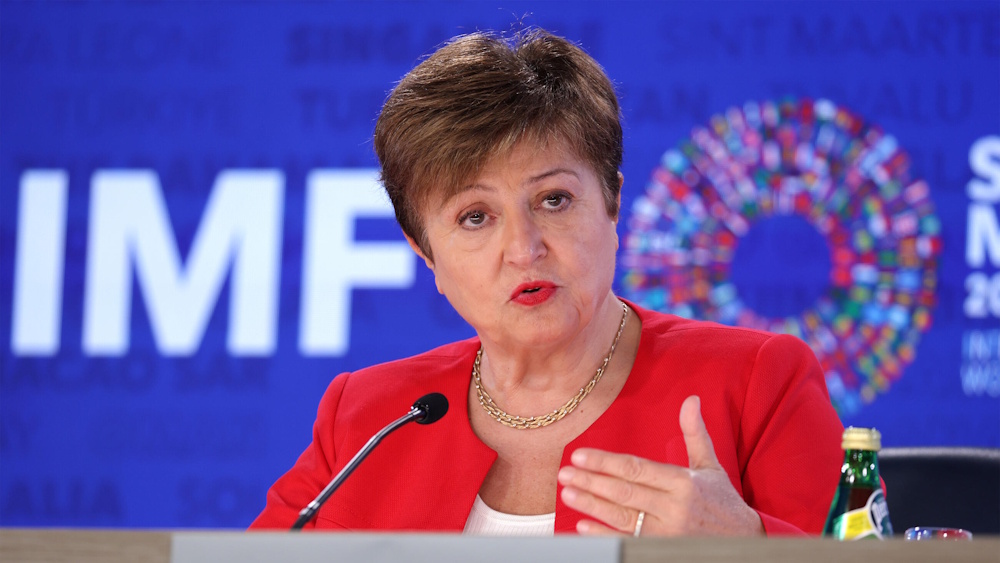
Following a string of crises in recent years, Kristalina Georgieva, managing director of the International Monetary Fund, stressed the need of laying strong foundations that can weather more frequent shocks. “I am concerned that we have not fully grasped that this is the reality we will face moving forward,” Georgieva stated. “We are not going to reach a point where shocks are eliminated.” Georgieva, at the helm of the Washington-based lender since 2019, has adeptly manoeuvred through the challenges posed by the Covid pandemic, the war in Ukraine, the upheaval from tariffs, and currently, the conflict in West Asia. The IMF has a lending capacity of nearly $1 trillion, and its role — as articulated — involves ensuring that the fund’s 191 members remain united in their efforts for the overall benefit of the global economy. “The best ammunition we have is objective analysis,” she stated.
One notable change presently taking place is the widespread adoption of artificial intelligence and its impact on labour markets and regional economies. Georgieva emphasised that organisations, including her own, have not sufficiently recognised the inequalities arising from globalisation, and she is committed to preventing similar oversights in the realm of AI. “We collectively, including the fund, did not anticipate the backlash against globalisation that arose from the reality that, while the world economy is improving overall, numerous communities have been left hollowed out due to job losses and insufficient attention to their circumstances,” she stated. “I’m quite eager to prevent a recurrence of the circumstances we encountered with artificial intelligence.”
The fund is preparing to update its perspective on the global economy in July, after having adjusted its growth forecast for the year in April, influenced by the continuing conflict in West Asia. The lender performs yearly economic assessments of member nations, in addition to other reports as part of its oversight responsibilities. In 2024, two years after Russia’s invasion of Ukraine, the IMF announced the resumption of its annual review of Russia’s economy — the Article IV — representing the first instance since the beginning of the conflict. The plan encountered considerable resistance from multiple European Union countries that sought clarification from Georgieva concerning the decision.
Engaging Russia on economic matters may inadvertently lend legitimacy to the Kremlin’s efforts to bypass sanctions. “The situation was highly intricate, characterised by bombardments taking place from both parties.” And “We decided to delay,” she stated. “Collecting data on trade, imports, and exports is crucial.” Russia exhibited significant reluctance in providing this information. She indicated that “at some point we will have the regular assessment restarted,” but did not provide further details regarding the timing. The fund has been delivering financial assistance to Kyiv, associated with critical reforms since the beginning of Russia’s invasion, with two programs totalling $15.6 billion in 2023 and $8.1 billion this year.