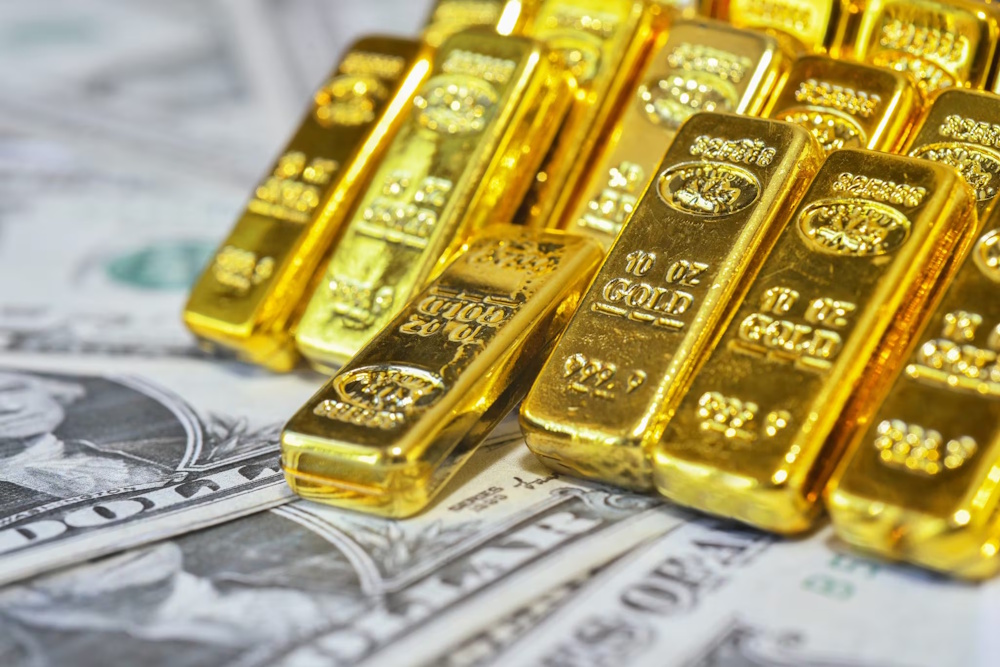
The ongoing conflict with Iran is causing significant disruptions to global oil supply chains, adversely affecting energy infrastructure and heightening concerns regarding the potential for an extended conflict. However, gold, typically regarded as a refuge in times of economic turmoil, has experienced a decline. Gold experienced a decline of 11% this week, marking its most significant weekly loss since 1983. The yellow metal has experienced a decline exceeding 14% since the onset of the conflict. During periods of uncertainty, investors frequently turn to gold, wagering that it will preserve its value in the event of rising inflation, declining currencies, or crises. Yet surging energy prices due to the Middle East conflict are prompting central banks worldwide to reassess their outlook for interest rates. This holds significant importance for gold. The recent turmoil has catalyzed a rebound in the dollar and led investors to reevaluate their portfolios. Market participants anticipate that the Federal Reserve will maintain interest rates at their current levels throughout the year, enhancing the attractiveness of yield-generating assets such as bonds while diminishing the allure of gold, which lacks income generation.
The implications of Fed interest rates are significant for market dynamics. The Federal Reserve has maintained its interest rates unchanged for the second consecutive meeting. Market participants are factoring in no additional rate reductions for the remainder of the year, as indicated. Gold experienced a significant increase in the fall following the Federal Reserve’s decision to implement three consecutive rate cuts. Currently, expectations indicate that Fed rates will remain stable for an extended period, resulting in an increase in bond yields. This increases the opportunity cost associated with holding gold. “I do think that in the recent unraveling of gold prices, higher yields have had a big role to play,” stated Hardika Singh. It is not solely the Federal Reserve: Central banks worldwide are adjusting their policy rates in reaction to the conflict in Iran and the subsequent disturbances in energy prices. Inflationary pressures are leading central banks to maintain interest rates, or in certain instances, as observed with the Reserve Bank of Australia, to increase them. This month, the US dollar has experienced a rebound, resulting in gold, priced in dollars, becoming comparatively more costly for international investors.
The trajectory of the US dollar is a significant determinant for gold. Gold typically gains in a context of a depreciating dollar, as the yellow metal becomes comparatively more accessible for investors worldwide. The dollar index has increased by nearly 2% since the onset of the Iran war, reversing a prolonged decline that lasted several months. The resurgence of the dollar may be diminishing the attractiveness of gold. The dollar has experienced an uptick due to heightened safe haven demand, concerns regarding inflation, and the anticipation of rising interest rates. It serves as yet another indication from the markets that traders are expressing concerns regarding the potential impact of the Iran war on the global economy. Gold experienced a significant rally in recent months, and the excitement is currently pausing. It is plausible that investors are liquidating positions to offset losses incurred on alternative assets. The momentum appears to be diminishing following a significant increase in gold prices over the last two years. Gold experienced a remarkable increase of 64% in 2025, marking its most successful year since 1979. The metal reached $5,000 per troy ounce for the first time in January. The enthusiasm appears to be diminishing … at this moment. Gold on Friday fell below $4,500 a troy ounce, negating its increases over the previous two months.
The significant ascent of gold in recent months can be attributed, in part, to retail investors pursuing the rally. In recent weeks, gold has exhibited trading patterns more akin to those of a meme stock rather than fulfilling its traditional role as a safe haven asset. “Upward momentum has faded,” strategists noted. “A segment of investors is liquidating gold holdings to generate cash or adjust their portfolio allocations.” A considerable number of strategists maintain a positive perspective regarding the future prospects for gold. The potential for a decline in the US dollar’s rebound exists, amidst a backdrop of significant geopolitical uncertainty. Ed Yardeni maintains his target of $6,000 for gold by year-end. “However, we are considering lowering our year-end target back to $5,000 if gold continues to defy our expectations that it should be rising on unsettling geopolitical developments, rising inflation, and mounting US government debt,” Yardeni stated in a note.