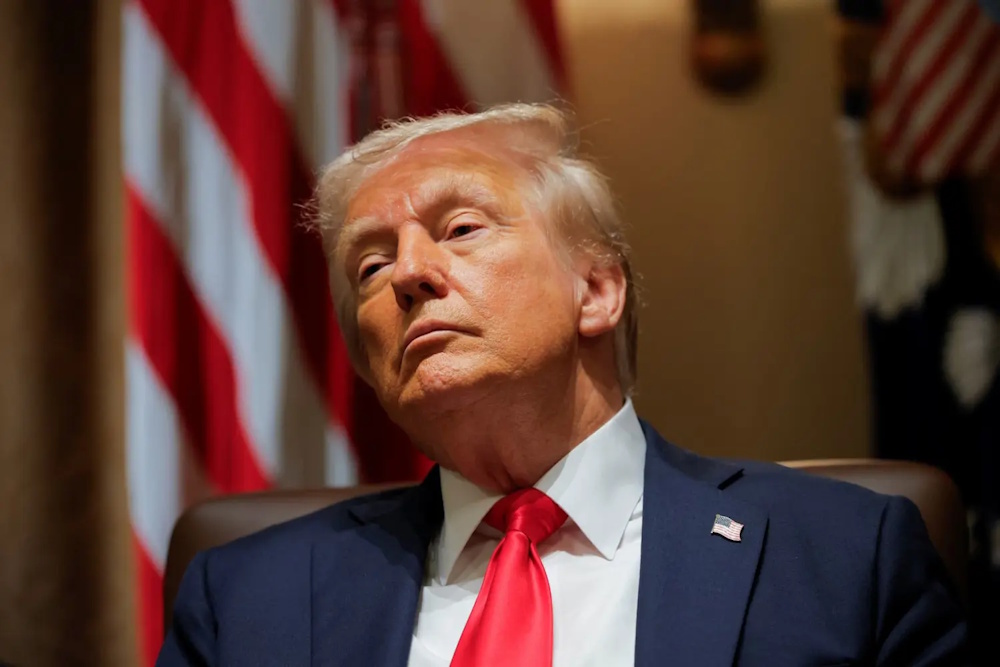
The Federal Reserve is currently navigating a perplexing economic landscape; however, one aspect has crystallised: Interest rates are poised to rise, likely commencing Wednesday. That presents a challenging situation for Kevin Warsh, the Fed chairman selected by President Donald Trump with the intention of reducing rates. If the Fed hikes its key interest rate as anticipated, it would effectively place him in opposition to the president, who has persistently called for lower borrowing costs, despite inflation remaining persistently above the Fed’s 2% target. Federal Reserve officials are anticipated to initiate what may be a succession of interest rate increases aimed at decelerating the US economy and realigning inflation with targeted levels. The ongoing conflict in the Middle East has led to an increase in energy prices, raising concerns about the potential for more persistent inflation. If expectations bear out, the Fed’s decision would signify the first rate increase since July 2023. Wall Street anticipates that the Federal Reserve will implement two rate hikes before the conclusion of the year – one this month and another in December. While that likely would not suffice to inflict significant economic harm, the more pressing inquiry is what transpires if inflation fails to decline.
The Federal Reserve is contemplating the number of rate hikes that may be required, prompting an examination of the resilience of American consumers and businesses in the context of elevated rates. This consideration is particularly pertinent given the increasing levels of consumer debt, declining spending, and prolonged periods of unemployment. Increasing interest rates may exacerbate the vulnerabilities present in an economy that is already exhibiting indications of distress. “The odds of a serious Fed policy mistake are uncomfortably high and rising,” Mark Zandi wrote on social media. “If the Fed tightens to bring inflation down faster… that is hard to do without layoffs, rising unemployment, and igniting a self-reinforcing negative cycle.” It remains uncertain the number of rate increases that lie ahead, or the extent to which they might destabilise the US economy. One rate increase is unlikely to have a significant impact; however, historical patterns indicate that the Fed seldom implements a solitary hike when it concludes that inflation necessitates intervention. Some investors and economists express concern that the limited number of rate hikes anticipated by the market may fall short in addressing AI-driven inflation, possibly necessitating the Federal Reserve to increase rates significantly. “The Fed creates recessions, and it does so by taking the policy rate too high and/or keeping it there for too long,” said Chris Galipeau. “If we get to three (rate hikes) and go above that, then that’s a really big risk.”
That is the pivotal inquiry for Wall Street: To what extent is Warsh willing to proceed? Investors will be attentive to any indications from the chairman that a vigorous cycle of rate increases may be forthcoming. However, in this new phase of Federal Reserve communication, it remains uncertain what form such an indication might take, or whether it will materialise at all. In a significant address last month, Warsh remarked that there remains more “work to do” in combating inflation. The bond market, meanwhile, has already begun to undertake some of the Federal Reserve’s responsibilities, increasing borrowing costs even prior to any rate increase. The yield on the 10-year US Treasury, a key benchmark for borrowing costs, rose above 5% on Tuesday, marking its highest closing level since 2007. That is exerting pressure on households and businesses. Currently, elevated bond yields and the initial Federal Reserve rate increase in over three years are unlikely to destabilise the US labour market: Job growth experienced a significant uptick in August, as reported by the Bureau of Labour Statistics, while the unemployment rate remained stable at a comparatively low 4.1%. Economic growth has demonstrated resilience, although a growing proportion of it is fuelled by vigorous expenditure on AI – a segment that is increasingly supported by credit. “There are multiple engines that the economy is running on,” said Jim Baird.
However, certain engines are experiencing sputtering issues. Consumer spending, representing approximately two-thirds of the US economy, has shown a downward trend in recent months as the effects of larger tax returns diminished and rising energy costs impacted individuals’ disposable income. Consumer sentiment remains depressed, hovering close to historical lows, having declined earlier this month to its second-lowest level in over 70 years of recorded data. The number of Americans unemployed for more than 26 weeks remained just below a five-year high reached in May last month. According to the New York Fed, a greater share of Americans are currently falling behind on their mortgage and car loan payments than at any point in the last ten years. “One or two rate hikes likely won’t lead to a massive implosion of the labor market, but there are many other risks out there that would have a much more profound effect, including if the AI investment boom slows down for whatever reason,” said Bjoern Griesbach.