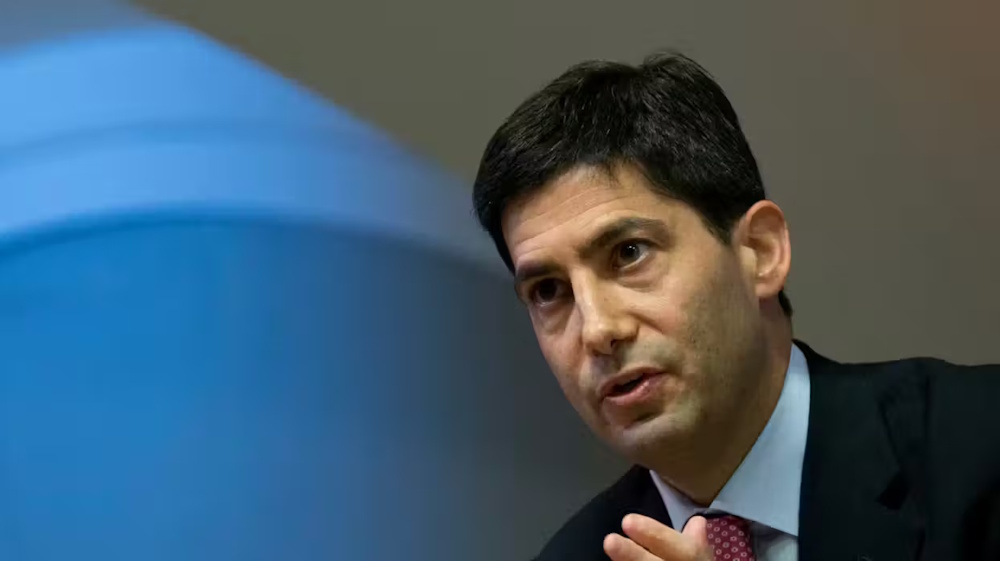
The bond market sell-off is elevating the stakes for the Federal Reserve’s monetary policy meeting this week and highlighting the central bank’s dedication to controlling inflation. Traders broadly anticipate that the Federal Reserve will increase its benchmark interest rate on Wednesday, marking the first adjustment since 2023. Traders are currently assigning a 92% probability to the likelihood of a rate hike, as indicated by CME FedWatch, a tool designed for real-time forecasting. If the Fed surprises markets by maintaining its current stance and keeping rates unchanged, analysts suggest it could intensify the bond market sell-off that has led to rising yields in recent weeks. If the Fed raises interest rates by a quarter point, aligning with market expectations, traders will continue to analyse comments from Chairman Kevin Warsh. The 10-year Treasury yield increased on Tuesday, reaching its highest level in 19 years, underscoring the current market sensitivity. A mosaic of concerns has driven yields to multi-year highs. The 10-year yield reached a peak of 5.04% during trading, exceeding the highs established in 2023 and marking its highest intraday level since 2007. The yield concluded the day at approximately 5%, marking its highest closing level since 2007. For several weeks, market participants exhibited significant uncertainty regarding the Federal Reserve’s decision to either raise interest rates or maintain the current levels this month, with probabilities oscillating around 50% for both scenarios.
However, following the data released on Friday indicating that consumer inflation persisted in August, traders started to adjust their expectations toward a potential rate increase. Should the Fed maintain rates at their existing levels, a sell-off in bonds may ensue as investors begin to doubt whether the central bank is adequately addressing the inflationary pressures that have intensified since the onset of the conflict with Iran. Treasury yields have increased this year due to a global bond market sell-off, resulting in higher borrowing costs for consumers, businesses, and the US government. If the Fed fails to persuade investors of its commitment to controlling inflation, bond yields could rise further, exerting additional pressure on consumers and the government, and potentially unsettling the stock market. “At this stage, it would be very difficult for the Fed to leave rates unchanged this week without eroding its inflation-fighting credibility,” Vail Hartman said in a note. “Historically, the Fed has seldom deviated from rate decisions that markets have priced with such high conviction,” Hartman said. “Surprising with a hold would trigger a sharp rally in the front end of the curve and a sell-off in longer-dated Treasuries, [the] US dollar and risk assets.” Bond prices and yields exhibit an inverse relationship: When investors divest from bonds, prices decline and yields increase.
During the Federal Reserve’s July meeting, Warsh expressed his desire for market movements to be driven by economic data rather than attempts to anticipate the Fed’s forthcoming decisions. He acknowledged the rise in Treasury yields at the time and stated it was based on “market attention centred on real data and real economic developments,” expressing approval of the shift. “Market participants are learning to play the ball, not the referee – and market prices will continue to respond in the direction and magnitude they see fit,” Warsh said on July 29. “This is, in my view, a change for the better – and we’re just getting started.” Since that Federal Reserve meeting, Treasury yields have persistently increased. The 10-year yield concluded at 4.6% on July 29 and is currently trading at 5%. The 10-year yield has surged to levels not observed in nearly two decades. The two-year Treasury yield, reflecting expectations for Federal Reserve policy, stands at its highest level in more than two years, approximately a full 100 basis points (1%) above the Fed’s benchmark interest rate. Warsh said on July 29 that he wants to get an “unfiltered message from markets.” Now, markets are betting that the Fed will raise rates on Wednesday. “[Warsh] has been talking hawkishly since June. Now, he has to deliver a rate hike,” Ed Yardeni said in a note.
“After all, he promised to follow the financial markets’ lead. The 2-year and 10-year yields are clearly calling for a rate hike,” Yardeni said. “If they keep rising after Warsh’s presser on Wednesday, then he will still have a credibility problem.” Yields have increased this year due to several factors, such as the rise in corporate debt issuance, escalating government debt, concerns regarding inflation, anticipations of central bank rate hikes, and overall policy uncertainty related to the conflict in the Middle East. At MUFG, head of US macro strategy George Goncalves stated that he initially anticipated the Fed would maintain interest rates in September; however, he revised his prediction to a hike due to influences such as last week’s unexpectedly high inflation report. Goncalves remarked in a note that while he believes a rate hike may not be the appropriate policy action, inaction would be “problematic,” especially in light of Warsh’s consistent assertions that “inflation is a choice” and the Federal Reserve’s dedication to reducing it to the 2% target. “Warsh gave the market a vote on when the Fed should move, and the market has now definitively voted for September,” Stephen Myrow said in a note.