The temporary truce in the conflict with Iran resulted in a decline in petrol prices, which subsequently contributed to a reduction in inflation during June, thereby offering support to a vital component of the economy: the American consumer. The initial readings, however, are likely to be transitory. Overall inflation declined in June for the first time in six years. The Personal Consumption Expenditures price index – the gauge used by the Federal Reserve for its target inflation rate – decreased by 0.1% from May, resulting in an annual rate decline to 3.7% from 4.1%, according to data from the Commerce Department. That reprieve contributed to the strengthening of household finances. Inflation-adjusted consumer spending increased by 0.4% last month, aligning with an 11-month peak, as reported in the latest data from the Commerce Department released on Thursday. The inflation slowdown was largely driven by energy prices, particularly those at the fuel pump, which tumbled amid a false dawn in the Middle East war: In mid-June, the US and Iran reached a Memorandum of Understanding and ceasefire that later fell apart.
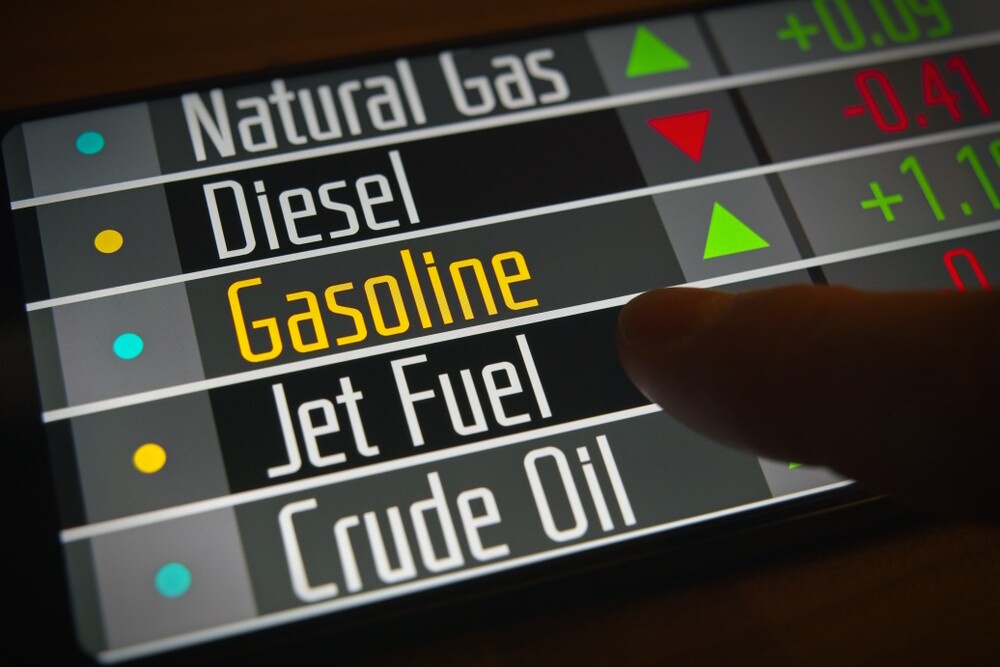
Petrol and energy goods prices experienced a decline of 9.2% in June, marking the most significant monthly decrease since August 2022. However, prices have subsequently surged, with the national average once again exceeding $4 per gallon – a pivotal benchmark for consumer psychology and sentiment. “Setting aside the volatility caused by oil and energy prices, underlying inflation is moving right around 3%, so that’s not going to provide material comfort to households or investors,” Joe Brusuelas told. “The improvement in June will be partially or completely reversed by the upward volatility in July.” Energy prices tend to exhibit significant fluctuations, similar to food prices, prompting economists and policymakers to pay close attention to “core” inflation metrics that omit these more unstable elements. Excluding energy and food prices, the “core” PCE index experienced a monthly increase of 0.1% and registered a year-over-year rise of 3.3%. It has remained at or above 3.3% for four consecutive months, marking the longest duration within that range since the autumn of 2023. A “supercore” services index that excludes energy and housing increased by 0.1%, yet it remains elevated at 3.8% compared to the same period last year.
That specific measure of underlying inflation has exhibited remarkable stickiness and a sluggish pace of easing, attributable to the overall economy’s relative strength and the robustness of consumer spending. The latter has been supported by pay gains, tax refunds, and (for a segment of households) rising stock and home prices, according to Adam Schickling. The PCE price index constitutes a component of the Commerce Department’s monthly Personal Income and Outlays report, which encompasses detailed data regarding the earning, spending, and saving behaviours of Americans. In June, consumer spending rose by 0.3% compared to the previous month, propelled by increases in health care, motor vehicles, financial services, and insurance. When accounting for inflation, expenditure increased by 0.4%. That spending, however, is expanding at a rate that surpasses income growth (which saw a 0.2% increase last month), indicating that Americans are increasingly relying on their savings. The personal saving rate, defined as the percentage of after-tax income that households allocate to savings, decreased to 2.7% in June, marking a level not seen in nearly four years. The labour market is operating at a reduced capacity, leading to a continued deceleration in income growth, according to Schickling from Vanguard. “[Consumers] don’t have vast amounts of liquid savings like they had post-pandemic,” he told.
Given that a majority of individuals are unlikely to leverage their home equity or deplete their 401(k) savings, it will be challenging for Americans to maintain their current spending levels unless there is a significant increase in hiring activity. And that’s “not something that we expect to see in the near-term,” Schickling said. The July jobs report, set to be released next week, is anticipated to reflect a low-hire, low-fire dynamic. However, if inflation were to accelerate further, that could increase the pressure on consumers and businesses alike, he added. “With the renewed tensions in the Middle East, we think that the balance of risks is to the upside,” he said, noting the sticky supercore index. “With the other geopolitical uncertainty factors and oil volatility, you start to raise the risk of that spillover of higher energy prices to other parts of the inflation basket.” Despite the associated risks, Schickling anticipates that the Federal Reserve will refrain from increasing interest rates this year.