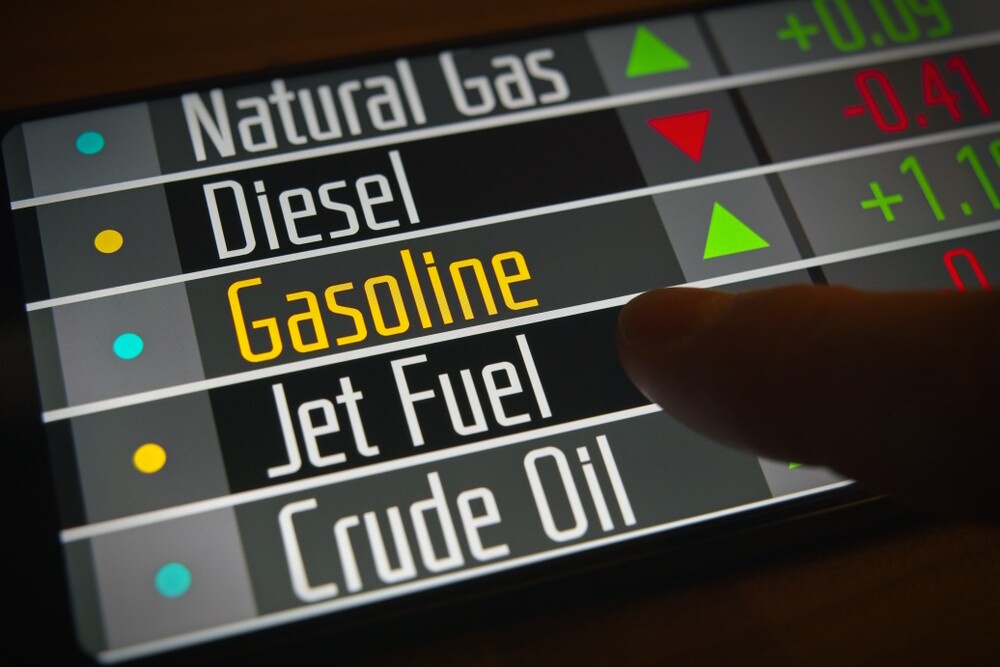
Rapidly increasing gas prices propelled the Federal Reserve’s favored inflation measure to 3.5% in March, marking its highest level in nearly three years, according to new data released on Thursday. The Personal Consumption Expenditures price index increased by 0.7% from February, reflecting a quicker-than-anticipated rise compared to the prior monthly rate of 0.4%, as reported by the Commerce Department on Thursday. The annual inflation rate, which surged from 2.8% in February, is currently experiencing its most rapid increase since May 2023. The anticipated increase in inflation was in line with expectations. In March, gas prices experienced unprecedented increases, a direct consequence of the disruptions in the oil trade stemming from the conflict in the Middle East. Regrettably, prospects for relief appear limited: Fuel prices sustained their elevated levels throughout April, and the repercussions of this energy shock are gradually permeating other goods and services within the economy.
However, for Americans burdened by years of inflation outpacing typical rates and confronting a labor market that has slowed, this is not a favorable situation, stated Elizabeth Renter. “We’re observing it in the consumer sentiment data – individuals are not only experiencing the strain of affordability, particularly regarding gas prices, but they are also assessing their surroundings and concluding, ‘One of the remedies for elevated expenses is increasing income, and I find myself lacking the opportunity to achieve that in the current job market,’” she articulated. “The economy is maintaining its stability,” she added. “I do not believe we are heading towards catastrophe at this time; however, the situation is becoming progressively more uneasy.” The ongoing US-Israeli conflict with Iran, now in its ninth week, has reverberated across the global economic landscape. Shipping traffic in the Persian Gulf and the Strait of Hormuz has significantly diminished, constraining a crucial artery for the trade of oil, natural gas, fertilizer, and other essential commodities. Analysts anticipated that the March PCE price index, similar to preceding inflation indicators, would demonstrate the unprecedented monthly increase in gasoline prices.
Consensus estimates indicated a projected monthly increase of 0.6%, with the annual rate expected to rise to 3.6%. Excluding food and energy costs, prices experienced a 0.3% increase from the previous month, reflecting a modest decline from the 0.4% monthly gain recorded in February, while the annual increase stood at 3.2%. This aligns with economists’ expectations; nonetheless, the annual rate increased from 3%. “Inflation was elevated when we entered this situation with Iran; it was already experiencing significant upward pressure,” Renter said. “Even excluding the impacts of the conflict in Iran, inflationary pressures are increasing, which warrants attention.” The overall PCE price index is currently increasing at an annual rate of 3.5%, indicating that inflation exceeds the Federal Reserve’s target of 2%. On Wednesday, the decision-makers at the US central bank chose to maintain interest rates at their current level, as the ongoing conflict exerts upward pressure on inflation. Fed Chair Jerome Powell stated on Wednesday that the existing policy stance is in “a very good place for us to wait and see,” and noted that despite inflation “misbehaving,” the economy has shown resilience. Federal data released Thursday provided additional evidence for the assessment of economic resilience: The economy expanded at an annualized rate of 2% in the first quarter; the estimated 189,000 jobless claims filed last week represent a nearly 60-year low; and wages and benefits for workers increased at a stronger-than-anticipated rate of 3.4% during the first quarter. Americans have had to adapt to significantly increasing gas prices; nevertheless, the energy shock occurred at a moment when many consumers’ finances were somewhat cushioned by larger tax refunds.
Furthermore, while wage increases are decelerating, they persist in exceeding inflation rates, and a segment of the American population is experiencing enhancements in wealth due to appreciating stock and real estate values. The US economy seems to retain “some gas in the tank,” yet the duration for which households can endure elevated oil prices and possible inflationary accelerations is a critical inquiry, as highlighted by Scott Anderson, chief US economist at BMO Capital Markets. “If inflation pressures continue to build in the months ahead, it will be more and more difficult for consumers to keep up,” Anderson noted in a communication to investors on Thursday. “The swift decline in the personal saving rate since the start of the year serves as a warning signal as we transition into the second quarter.” Alongside the PCE price index, utilized by the Federal Reserve to achieve its 2% inflation target, the report released by the Commerce Department on Thursday also offered insights into the status of household spending, income, and savings. Consumer spending increased by 0.9% from February; however, when adjusted for inflation, the rise was a mere 0.2%. According to data from the Commerce Department, the expenditures consumers allocated to their gas tanks and other energy goods represented 42% of the monthly variation in spending.
In March, households experienced a 0.6% increase in both personal and disposable (after-tax) income. However, when adjusted for inflation, disposable income saw a decline of 0.1%, marking the second consecutive month of decrease. The personal saving rate has declined for the second consecutive month, decreasing to 3.6% from 3.9%, marking the lowest level observed in four years. In the near term, Americans will need to “buckle in and be patient” regarding gas prices and general inflation, according to reports. On Thursday, the average price of gasoline in the United States reached a four-year peak of $4.30 per gallon, as reported. “If the conflict ends sometime soon, and oil is flowing again in the Middle East, it’s going to still take a while for gas prices to come down,” she stated. “I believe consumers ought to brace themselves for elevated gas prices that are likely to persist throughout the summer months, and potentially into the fall, contingent upon the duration of the conflict.”