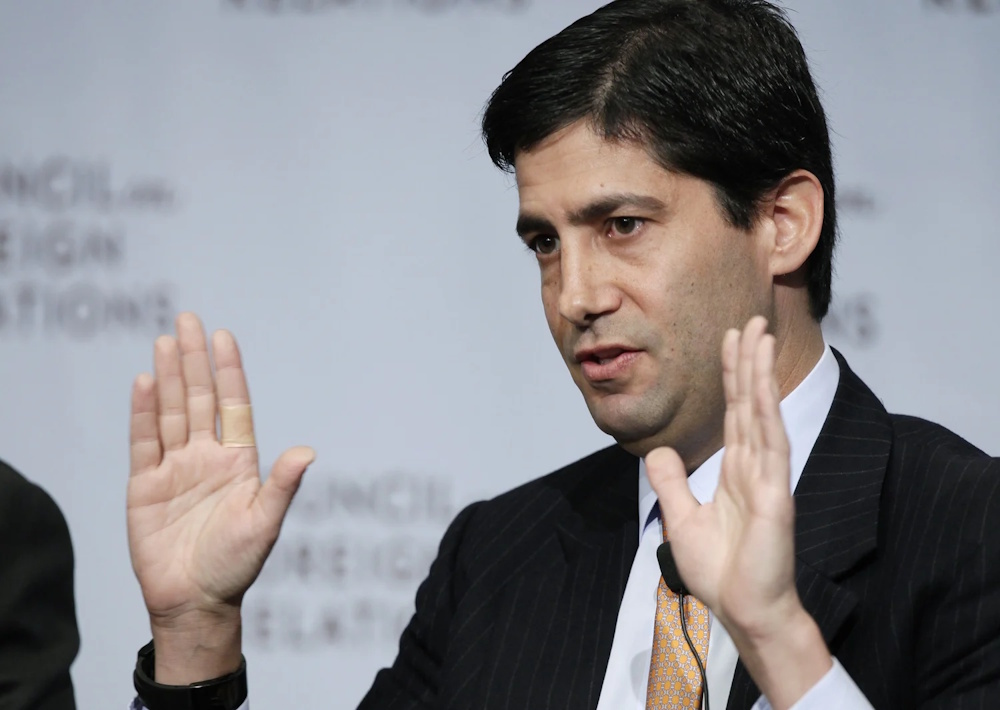
The installation process for Kevin Warsh, President Donald Trump’s nominee to succeed Federal Reserve Chair Jerome Powell, is encountering difficulties, and the situation may become increasingly complex. Following an extensive search process spanning several months, Trump ultimately revealed his nomination on January 30. Nearly three months later, a definitive trajectory for Warsh’s confirmation to the role remains elusive. For Warsh to ascend to the position of Fed chair, he must first secure approval from the Senate Banking Committee. The hearing is now scheduled for April 21. Subsequently, a concluding vote in the larger upper chamber will be necessary.
The issue at hand involves North Carolina Senator Thom Tillis, a prominent Republican member of the Senate Banking Committee, who continues to withhold his support for Warsh. This stance is contingent upon the Justice Department terminating its investigation into Powell and the testimony he provided to Congress last year concerning cost overruns associated with the renovation of the Federal Reserve’s headquarters in Washington, DC. Republicans require Tillis’ support to advance his nomination from the committee stage.
However, DC US Attorney Jeanine Pirro, whose office is at the forefront of the Powell investigation, remains steadfast. Warsh’s nomination continues to be in a state of limbo, despite the impending conclusion of Powell’s tenure as chair in under a month. If Warsh is not confirmed by May 15, the date marking Powell’s final day as chair, Powell indicated he would continue to serve as chair “pro tempore,” emphasizing his “no intention of leaving the board until the investigation is well and truly over with transparency and finality.” The Federal Reserve’s Board of Governors maintains specific regulations regarding the appointment of substitutes for vacated positions, with the prevailing practice being that the sitting Fed chair typically takes on the interim role.
Trump, however, expresses dissent regarding that plan. On Wednesday, Trump indicated that he would dismiss Powell should he assume the role of Fed chair temporarily. If so, Powell is anticipated to initiate legal action, igniting yet another confrontation between Trump and a Federal Reserve official. The confirmation process for the 17th Fed chair represents a significant complexity in the modern history of the US central bank, contrasting sharply with the nominations of previous chairs such as Powell, Janet Yellen, Ben Bernanke, and Alan Greenspan.