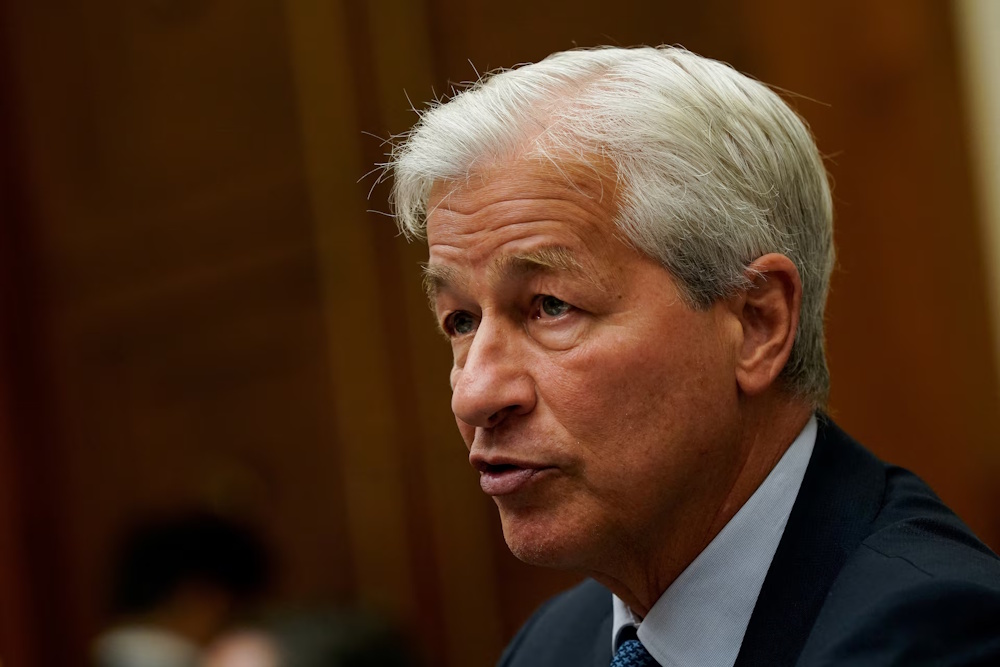
Jamie Dimon cautions that the ongoing US-Israeli conflict with Iran may trigger a new phase of sustained inflation and elevated interest rates, potentially plunging the US economy into a recession and reshaping the global economic landscape. “Then again, it may not,” Dimon hedged. In his annual letter to shareholders, released Monday, the JPMorgan CEO presented a predominantly optimistic outlook for the US economy as it approaches 2026. The economy commenced the year with favorable conditions: Tax reductions and a deregulatory, pro-business strategy from President Donald Trump and congressional Republicans’ One Big Beautiful Bill are projected to contribute $300 billion to the US economy this year, enhancing America’s gross domestic product by approximately 1%, according to predictions. Substantial investment in AI and associated technologies is poised to enhance productivity in the United States.
Dimon stated that the US economy is currently on more solid footing than in previous years, which may shield America from certain economic challenges emerging globally, particularly those stemming from the war. However, this does not eliminate the potential for a recession. “While the economy may be less fragile than in the past, this alone does not mean there is no ‘tipping point’ — it just may mean it could take more straws on the camel’s back to get there.” Dimon stated in the 48-page letter. Dimon warned that the conflict with Iran heightens the risk of substantial and enduring shocks to oil and commodity prices. It may similarly transform the global supply chain, akin to the changes observed following the pandemic. Similar to the period from 2021 to 2023, we may be facing yet another phase of persistent inflation accompanied by rising interest rates from the Federal Reserve and other central banks worldwide as a response to this economic challenge.
Dimon referred to the gradually rising inflation and interest rates as “the skunk at the party,” suggesting that these factors could lead to a decline in stock prices this year. Dimon also cautioned that while the economy continues to exhibit strength, it is dependent on growth and stock market gains to sustain its momentum. If those indicators decline, certain risks inherent in the economy may emerge as significant issues. For instance, significantly elevated government debt levels can be sustained provided that GDP continues to be strong and interest rates remain comparatively low. However, that represents a significant conditionality, and the debt may escalate into a crisis in the future if not managed appropriately, Dimon cautioned.
Equity valuations are elevated, partially attributable to international instability. US equities continue to be regarded as a safe haven asset; however, Dimon pointed out that this status did not avert prior recessions and bear markets. Occasionally, adverse market conditions can unsettle investors, resulting in a self-reinforcing feedback loop. “Human nature has not changed — sentiment and confidence can change rapidly and drive the markets,” Dimon stated. “A decline in asset prices can swiftly alter sentiment and trigger a movement towards cash.” Dimon also cautioned regarding deteriorating US-China relations, the implications of Trump’s trade policy, and escalating issues within the private credit market.