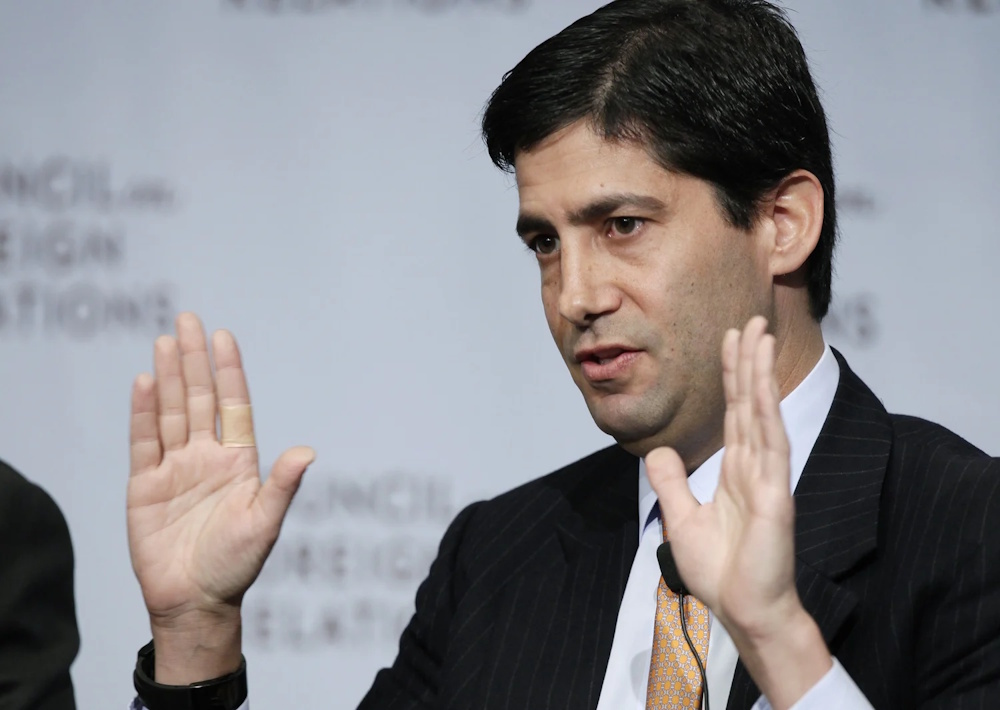
Federal Reserve Chairman Kevin Warsh cautioned that inflation is not showing significant signs of deceleration and emphasised that policymakers need to be assured of its reduction; otherwise, the central bank has “work to do.” In a comprehensive address, his inaugural since assuming the role of chairman of the central bank in May, Warsh reaffirmed that policymakers are committed to restoring inflation to their 2% objective, which he characterised as a steadfast and unyielding target. “Here is my standard: We must be confident that underlying inflation is moving to our objective, clearly and at sufficient speed. Otherwise, we have work to do. That’s our job,” Warsh said in remarks prepared for the Fed’s annual conference in Jackson Hole, Wyoming on Friday.
“While this summer’s PCE and CPI readings were better than expected, they do not tell me that underlying trends have meaningfully improved,” Warsh said. “Market prices show confidence that we will deliver price stability. And I can assure you, they’re right.” Warsh stated that with inflation exceeding 2%, the Federal Reserve’s “predominant focus right now should be on prices.” Warsh’s highly anticipated remarks arrived in the context of criticism regarding his streamlined communications strategy, which economists and market participants argue lacks clarity concerning the near-term outlook for both the economy and monetary policy. His remarks seemed to tackle those concerns, extending beyond his previous statements in articulating his perspectives on the economy and the Federal Reserve’s policy priorities during his tenure. “Let’s be equally clear about another aspect of the objective: Price stability is not self-executing, nor is inflation necessarily mean-reverting. It is the Fed’s job to deliver stable prices,” he said. Warsh was not anticipated to engage with enquiries from the assembly of central bankers and economists.
Economists are split on the necessity for the Fed to increase interest rates in the upcoming months as it seeks to control inflation, which remains persistently above the central bank’s 2% target. At their July policy meeting, the Federal Reserve maintained interest rates at their current levels. However, several officials expressed support for an increase in interest rates, and many suggested that tightening of policy would be essential should inflation fail to decrease, as indicated by the minutes of the meeting. Warsh faced significant criticism for his performance at a post-meeting press conference, with detractors arguing that he did not effectively convey the reasoning behind the committee’s choice to maintain the current interest rates. He also avoided any suggestion that the committee may have to raise rates in the coming months and indicated that the FOMC’s target for inflation could be adjusted. Investors responded by driving yields on longer-dated bonds to levels not seen in nearly twenty years, potentially indicating a waning confidence in the Federal Reserve’s dedication to its 2% inflation objective.
The July vote represented the fifth consecutive occasion on which officials chose to maintain rates at their current levels, following three reductions in late 2025. Since that decision, new data has broadly indicated a deceleration in economic activity, which would alleviate pressure on the Fed to raise rates. Retail sales experienced a significant decline in July, marking the largest drop in over a year, while core inflation remained muted. Simultaneously, employers made unexpected job cuts in July, while hiring figures for the preceding two months were revised downward. Investors have adjusted their expectations for rate increases this year. Pricing in federal fund futures as of Friday morning indicated approximately a 36% likelihood of an increase in September, a decline from over 70% at the end of July.