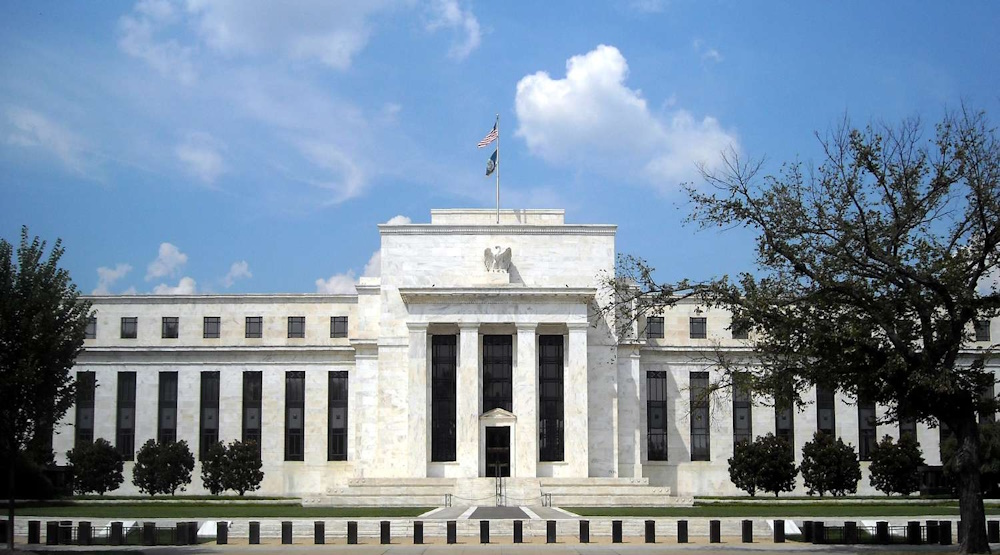
When inflation hit multi-decade highs four years ago, Jerome Powell, who was chair of the Federal Reserve at the time, gave Americans a direct message: It would cost something to bring inflation under control. The Federal Reserve has to take “strong” action, Powell informed a prominent gathering of central bankers that August. Doing so, he cautioned, would bring “some pain” for consumers. Now that the Federal Reserve has raised interest rates again after a three-year hiatus, an old warning about the economic consequences is making an appearance. Petrol costs have surged since the war with Iran began in February, and this is the main factor driving inflation nationwide. Since the Federal Reserve can only do so much about oil output, it has raised interest rates in an effort to stem the inflationary effects of rising energy prices. While this type of supply-driven inflation may be easier to bring under control than the post-pandemic demand-driven inflation, “it won’t be painless either,” Chicago Fed President Austan Goolsbee said last month.
Maintaining a robust labour market while simultaneously containing inflation is a difficult balancing act for central bankers. Borrowing money becomes more costly for companies and consumers when the Federal Reserve raises interest rates in response to excessive price increases. This has the potential to reduce demand and spending, which would put downward pressure on pricing. As a result of companies struggling to cope with increasing borrowing costs, the slowdown can have a negative impact on workers in the form of poorer hiring, fewer job vacancies, and even job losses in extreme circumstances. “Inflation is the disease. And now the Fed comes with a cure: higher interest rates,” Beth Ann Bovino said. “I don’t know which is more painful because they both hurt.” Roughly two-thirds of the US economy’s activity is spent by consumers, making it an important growth engine. A slowdown in economic activity could occur if consumers cut down on spending, either because prices are eating into their budgets or because rising borrowing charges make them put more money aside for large purchases like a house. According to Bovino, if things go worst, such reversal might contribute to the economy falling into a recession.
The economic downturn isn’t hitting everyone equally just yet. People in the United States who have a lot of money riding on the stock market could be doing okay right now. Pay cheques provide less of a safety net for people whose living expenses are more directly tied to their income. “Those are the people being hurt,” she said. More and more Federal Reserve officials, worried about the effects of increased interest rates, are calling for patience as they address inflation. A number of central bankers have expressed a preference for waiting to see how the economy develops before deciding whether or not to raise interest rates further in order to combat the possibility of higher or broader-based inflation. “There is no need for urgency,” New York Fed President John Williams said last month.
Fed Vice Chair Philip Jefferson echoed that sentiment. “Any future adjustments in policy should be determined by carefully examining trends in the data, the evolving outlook and the balance of risks,” he said earlier this month. However, there are dangers associated with doing nothing. Delaying action might make the fight against inflation much more difficult, cautioned Cleveland Fed President Beth Hammack, since the Fed’s preferred inflation gauge is more than a percentage point above its 2% annual objective. “The longer inflation stays above our objective, the harder it will be for us to bring it back down, and the more pain that individuals and businesses are going to be experiencing,” Hammack said in an August interview. The Fed has the difficult task of determining the economic pain threshold and the relative risks of acting too hastily or waiting too long. In any case, the cost will undoubtedly be passed on to consumers. Officials may get some useful hints in Wednesday’s Consumer Price Index report for September.