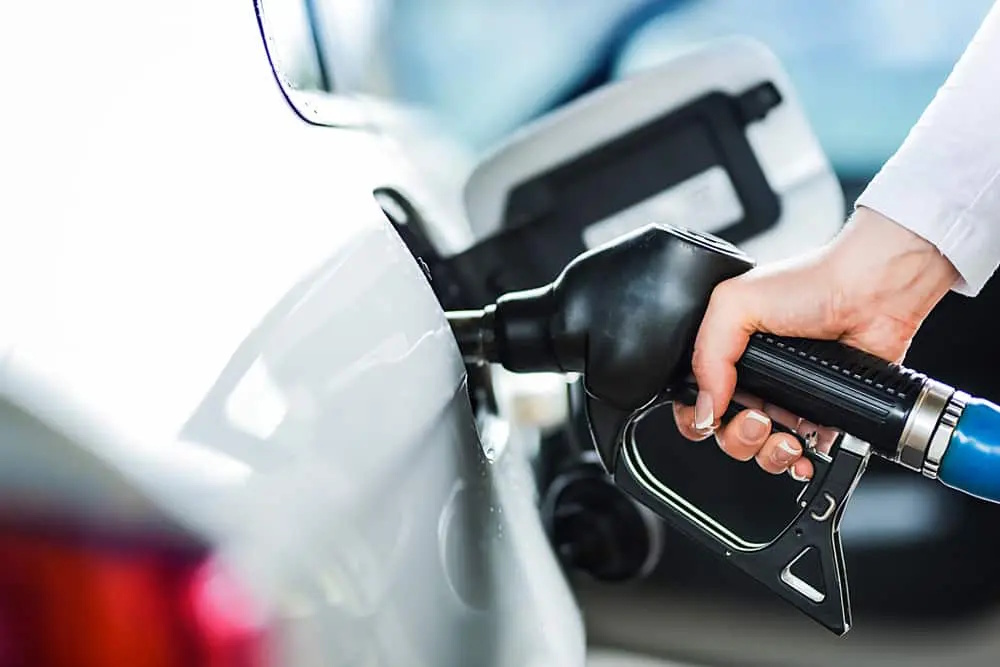
Premium petrol currently commands a price approximately one dollar per gallon higher than regular petrol, a significant increase compared to the “premium” drivers were accustomed to paying for higher-octane fuel a decade ago. Yet, the demand for premium petrol has increased. That is quite logical: An increasing number of new vehicles either recommend or necessitate premium-grade octane levels of no less than 91. However, numerous drivers mistakenly assume that high-octane petrol provides a special benefit for their engines. High petrol prices during the Iran war did not significantly alter the driving behaviours of Americans. That observation holds especially for proprietors of premium SUVs, trucks, and luxury vehicles that genuinely require a higher octane rating. Regardless of the underlying factors driving the increase in demand, petrol stations have significantly accelerated price increases for premium petrol over the past few decades, establishing a robust profit mechanism for station proprietors. Historically, high-octane petrol has been priced approximately 20 cents per gallon above that of regular petrol, a differential that has remained relatively stable over the decades. However, that disparity began to slowly expand around 2005 before experiencing a significant acceleration a decade later. The gap expanded to 40 cents in 2015, reached 60 cents in 2018, and surpassed 80 cents in 2022, as reported by the Energy Information Administration. It is currently just below $1. Higher refining costs are a contributing factor.
In the mid-2000s, two federal regulations were implemented mandating that automakers decrease the sulphur output of vehicles, a measure that concurrently leads to a reduction in octane levels. To maintain the elevated octane level of premium fuels, refineries incorporate cleaner-burning, higher-octane ethanol into their blends, which is also more costly. However, the cost of ethanol was minimal – far less than the increase in retail prices might suggest: While the disparity between premium and regular petrol expanded by 70 cents per gallon over the last twenty years, the difference in wholesale prices increased by only 20 cents per gallon since 2007, as reported by the EIA. In other terms: Premium petrol has transformed into a significant profit source for fuel retailers. “Who do you think is making the money? It’s the service station,” said Andy Lipow. That hasn’t deterred consumers: Premium constituted approximately 13% of total petrol sales last year, an increase from 9% in 2013, as reported by Lipow. That is partly due to the increase in the number of new vehicles equipped with engines that necessitate or suggest the use of premium fuel. By 2018, the number of new car models recommending regular petrol surpassed previous figures, as reported by the Department of Energy. That heightened demand prompted stations to raise prices for premium fuel – an expense that car owners have demonstrated a readiness to absorb.
Vehicles requiring premium petrol are generally high-end models, including luxury automobiles and larger trucks or SUVs. “The people who need to use premium aren’t the ones who are concerned about paying for it,” said Tom Kloza. However, the purchase of premium petrol is not solely driven by the acquisition of new vehicles. Some drivers purchase it, even when their vehicles do not require it. “The consumer likes to put premium gas in their car because they think it gives them better performance,” said Lipow. A century of marketing has shaped that perception. In 1923, premium petrol emerged as General Motors and Esso launched Ethyl Corp, introducing the fuel additive tetraethyllead. The additive enhanced engine efficiency and reduced vulnerability to “knocking,” which occurs when un-ignited fuel ignites spontaneously. “Ethyl” gas became synonymous with an upgrade over regular, long after all gasolines began including TEL, according to AAA. Due to Ethyl’s trademark, petrol stations using non-Standard Oil fuels began labelling their high-performance products as ‘premium’, setting a new industry standard.
In the mid-1950s, automakers began marketing a selection of premium vehicles equipped with turbocharged engines, which enhance performance by forcing and compressing additional air into the combustion cylinders. High-compression-ratio engines have the potential to enhance a vehicle’s fuel economy; however, they simultaneously elevate the risk of engine knocking. Petrol stations began to produce and market high-octane “premium,” petrol tailored for higher-efficiency engines. With the introduction of fuel-injected engines that led to the buildup of carbon deposits, oil refiners during the 1980s and 1990s began promoting detergents in their premium petrol designed to eliminate these residues. In 1996, the EPA mandated detergent additives, prompting gas stations to promote “Top Tier” gas for enhanced performance. Recently, petrol stations have begun to compete based on octane levels. While “premium” usually means an octane level of 91 or higher, many stations provide even higher options. On the East Coast, 93 octane has become the standard, as noted by Lipow, and Sunoco has recently introduced Ultra 94, which features even higher octane levels.
Octane serves merely as an indicator of fuel stability and its ability to resist knocking; it does not contribute to increasing the speed of your vehicle. The efficiency derives from the mechanics of the engine itself, rather than from a higher octane level. Turbocharged engines benefit from knock resistance, enhancing efficiency with improved ignition timing, extended burn cycles, better energy extraction from the air-fuel mix, and increased torque and horsepower, as noted by AAA. Premium petrol provides no advantages for cars designed for regular 87-octane, according to a 2016 AAA study. These engines don’t require higher octane levels as they don’t experience the same knocking issues. Most cars that benefit from premium petrol likely don’t require more than 91 octane. Only a handful of cars need it. 93 or 94 won’t boost your performance. “It’s a marketing thing,” said Lipow. “You’re paying more for something that supposedly gives you a slight increase in energy. But most people will never see it.”