Currently, there is an increasing likelihood that the US central bank might not only postpone a rate cut but could potentially raise rates, especially if the inflationary pressures resulting from the US-Israeli conflict with Iran turn out to be enduring. Trump’s initiatives during his second term have led central bankers to adopt a cautious stance, postponing any rate cuts as they monitor developments. This perspective has garnered support from Treasury Secretary Scott Bessent, who has expressed agreement with this approach. The president’s criticisms and threats directed at Fed policymakers are proving counterproductive. For Federal Reserve officials to consider a reduction in interest rates, they need to be assured that inflation is decelerating and aligning with their target of 2%. This situation was evident just prior to the commencement of Trump’s second term in January. Subsequently, Trump implemented a convoluted array of tariffs last year, which contributed to inflationary pressures on a range of goods. He continues to pursue this tariff strategy, pledging to increase duties universally in an effort to restore the effective tariff rate that existed prior to the Supreme Court’s decision that invalidated specific tariffs. This led Federal Reserve officials to take a cautious approach, refraining from making any adjustments to interest rates until they implemented three successive reductions at the close of the previous year. Federal Reserve officials are increasingly concerned about the conflict that commenced with coordinated US-Israeli military actions against Iran in late February. The ongoing conflict has resulted in an extended closure of the Strait of Hormuz, a crucial artery for global trade. Approximately 20% of the global oil supply, in addition to other essential commodities, traverses this vital waterway.
The conflict with Iran resulted in a threefold increase in monthly US inflation in March, as indicated by the most recent Consumer Price Index report. During the Federal Reserve’s meeting in March, Powell indicated that the impacts of the war would probably be transient. Currently, fewer than thirty days have passed, yet global cargo vessels continue to face restrictions in the strait, and Federal Reserve officials are not contemplating interest rate reductions in the near future. “My baseline is that we’re going to remain on hold for a good while,” stated Cleveland Fed President Beth Hammack during an interview. Thus far, Trump’s attempts to remove Federal Reserve officials have not yielded success, and paradoxically, these efforts may result in Powell’s extended tenure. Powell has refrained from interacting with Trump regarding the president’s ongoing threats to dismiss him, confining his replies to assertions that such an action would be unlawful. Terminating Powell could lead to two significant repercussions for Trump: such an action would likely displease financial markets, and the decision might face prolonged delays in the judicial system. Last month, Powell stated that the law requires the current Fed chair to serve in the role “pro tempore” if the Senate has not confirmed a successor by the conclusion of his term. “President Trump’s threats of firing Chair Powell are hardly surprising but are simply not consistent with what the law provides,” stated Skanda Amarnath.
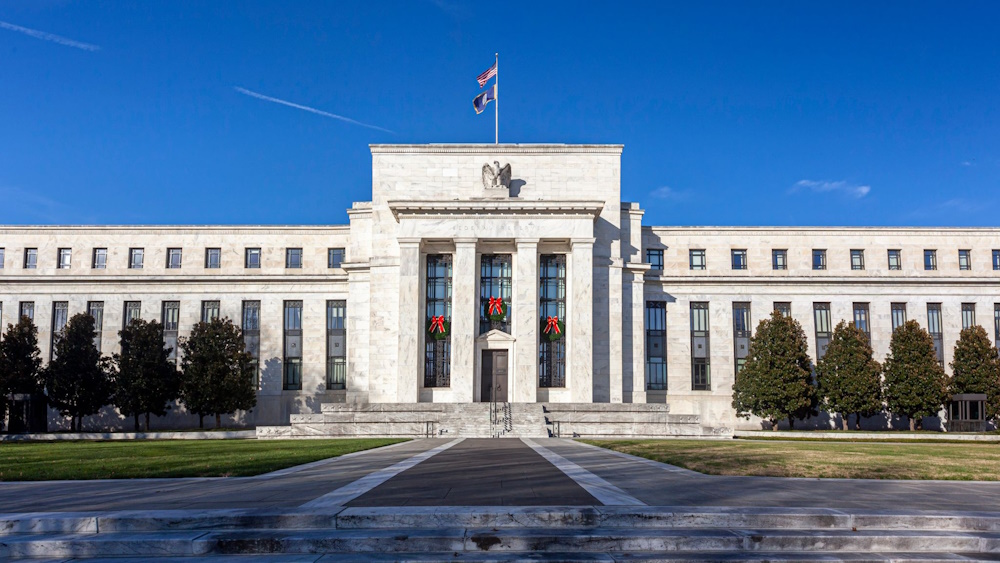
In the previous year, Trump and his associates capitalized on the Federal Reserve’s renovation of its headquarters in Washington, DC, to exert pressure on Powell, asserting that the cost overruns were indicative of mismanagement. The Federal Reserve articulated that certain elevated expenses were attributable to unexpected challenges, including asbestos and a high water table. However, this did not prevent DC US Attorney Jeanine Pirro from issuing Powell a pair of subpoenas to examine the testimony he provided to Congress regarding the renovation last year. Powell disclosed the investigation in a remarkable video admonition, labeling it a “pretext” to exert pressure on the Fed. The judiciary has consistently favored Powell’s position. A federal judge last month dismissed two subpoenas issued to Powell by Pirro’s office, subsequently reaffirming that decision after Pirro sought the judge’s reconsideration. In a statement, Pirro indicated her commitment to continuing the investigation. Her office additionally verified that her deputies were refused entry to the Fed’s headquarters earlier this week, having arrived unannounced to inspect the renovation project.
Pirro has indicated her intention to appeal to the DC Circuit of Appeals, yet her persistence in pursuing the investigation is directly contributing to the delay in Trump’s nomination of Warsh. This week, Sen. Thom Tillis of North Carolina reaffirmed that he will not support Warsh’s confirmation unless the inquiry into Powell is terminated. It seems probable that the president will not prevail in his Supreme Court case against Fed Governor Lisa Cook, whom he attempted to dismiss in August due to allegations of mortgage fraud. The Justice Department is currently conducting an investigation into the allegations; however, no charges have been announced against Cook as of yet. “The President already appears to be losing in court in his attempt to fire Governor Lisa Cook and he will likely lose again if he tries to fire Chair Powell,” Amarnath stated. Ultimately, Trump’s confrontation with the Federal Reserve could potentially undermine the very outcome he seeks.