

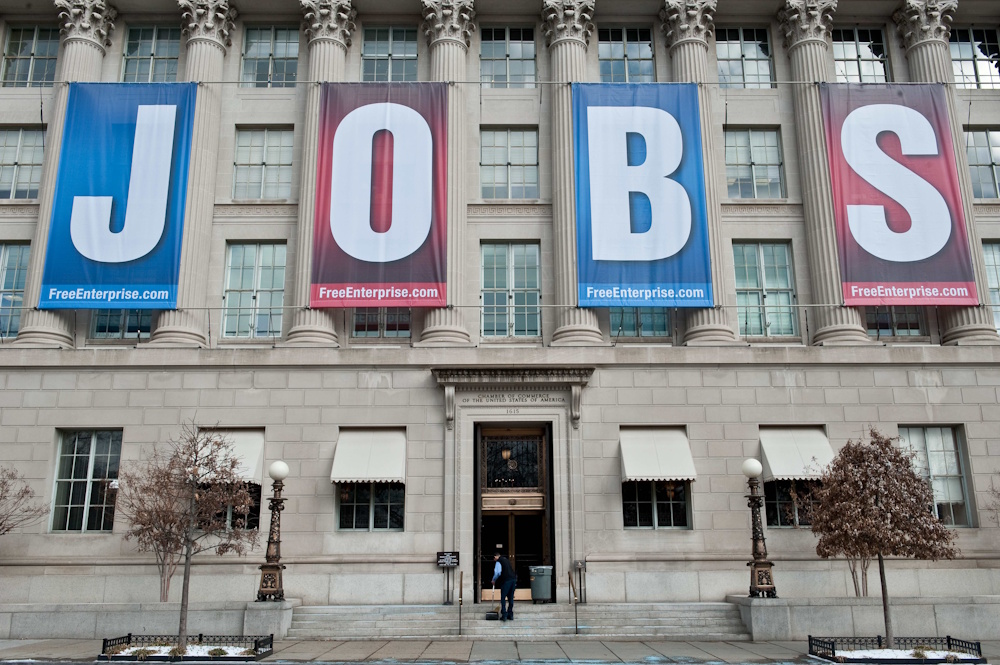
In a surprising turn of events, hiring at US businesses experienced a significant decline last month, with employers reportedly eliminating approximately 92,000 jobs, as indicated by the latest data. The unemployment rate increased to 4.4%, up from 4.3%. Analysts anticipated a deceleration in job growth following an unexpectedly robust January, influenced in part by a significant labor strike among health care workers and a severe cold wave affecting numerous US states. The consensus estimates indicated a net gain of 60,000 jobs, with the unemployment rate expected to remain unchanged, according to estimates. “We had a labor market that nearly froze last year, and it seemed to show some signs of thawing, which made it slushy at best,” Diane Swonk stated in an interview. February’s report, however, illustrated the fragility of the US jobs market when the essential “one-legged stool” of health care is removed, she stated. The health care sector, a significant contributor to job growth over the past year, experienced a decline of 28,000 jobs, with 31,000 of these losses likely linked to the mid-month strike by Kaiser Permanente nurses and health care workers. “It truly highlights the fragility of the economy, particularly regarding the labor market,” she stated. “The labor market weakness observed last year has not fully dissipated.”
The renewed vulnerability is being revealed amid the emergence of significant shocks, which are amplifying uncertainty. Over the last three weeks, we have witnessed a significant shift in trade policy prompted by the US Supreme Court, a substantial layoff associated with AI advancements, and, most notably, the emergence of a new conflict in the Middle East. This development has already led to an increase in gas prices and poses a risk to the progress achieved in controlling inflation. February’s job losses represented a significant reversal from January’s unexpectedly robust figures, which analysts suggested may have inflated hiring estimates due to several transient influences, including weather conditions and a reduction in post-holiday layoffs that were lower than usual. January’s job gains were adjusted downward to 126,000 from the previously reported 130,000 jobs. December’s estimated job gains of 48,000 have been revised downward to reflect a loss of 17,000 jobs. The US economy has experienced job losses in five of the last nine months. Since May, the initial month following President Donald Trump’s announcement of significant tariffs, the labor market has experienced a decline of 19,000 jobs, according to data.
February’s report was anticipated to exhibit certain distortions: The health care employment figures were projected to decline by 31,000 jobs due to the mid-month strike by Kaiser Permanente nurses. However, given that the strike concluded on February 23, we can anticipate a one-time enhancement to the jobs report for March. Furthermore, analysts projected that a significant cold wave in the initial weeks of the month might adversely impact industries including construction and leisure and hospitality. Friday’s report indicated that the majority of industries experienced job losses. Notable reductions were observed in the health care sector, which experienced a decrease of 28,000 jobs; the leisure and hospitality industry, which saw a decline of 27,000 jobs; and the construction sector, which lost 11,000 jobs. “There are enough caveats to the employment weakness to keep the [Federal Reserve] from jumping to the rescue with an interest rate cut next week, but there is also no escaping the fact that the labor market is not as healthy since Trump 2.0 came into office, and Washington economic officials will have to redouble their efforts,” Chris Rupkey stated. “Economic growth can sustain itself for a period even when job growth decelerates, yet it cannot perpetually advance at a desirable rate.” Uncertainty regarding the size, scope, duration, and price-increasing effects of tariffs on imported goods has emerged as a significant burden, stalling hiring initiatives and undermining consumer confidence, which has already been strained by an inflationary surge and ongoing affordability challenges.
Last year’s job gains represented some of the most anemic figures recorded, particularly when excluding periods of economic downturn. Manufacturing, an industry anticipated to benefit from tariffs, has experienced job losses in 13 of the last 14 months, including an additional 12,000 in February. Nevertheless, there were signs that the labor market was not experiencing a complete decline – layoffs have not surged and the unemployment rate has stayed comparatively low. The slowdown, as noted by economists, reflects shifting demographics: The US economy no longer requires the same level of job creation to sustain itself, partly due to the aging Baby Boomer population and a significant reduction in immigration rates. February’s headline payroll loss was surprising; however, other data points within the report highlight that the underlying strength of the labor market is not necessarily deteriorating, Nicole Bachaud told. The count of individuals pursuing part-time work due to economic factors decreased, alongside a reduction in the figures for marginally attached and discouraged workers, she stated. Wage growth exceeded expectations, registering a monthly increase of 0.4%, which elevated the annual rate to 3.8% – remaining above the rate of inflation.