

A significant disruption to global oil production propelled crude prices past the $100 mark on Monday, marking the first occasion in almost four years, before ultimately stabilizing just under that threshold. As the conflict with Iran continues, oil futures may possess significant potential for further increases. Oil prices approached $120 a barrel overnight, following reports that Western nations were set to discuss measures aimed at alleviating elevated fuel prices. This alleviated some pressure within the market. US crude prices concluded the trading session at $94.77 per barrel, reflecting an increase of 4.3% on Monday. Brent, the international benchmark, experienced an increase of 6.8%, reaching $98.96 per barrel. The previous occasion when oil prices exceeded $100 occurred following Russia’s incursion into Ukraine. Oil surpassed the $100 mark in March 2022 and maintained that level until July 19, 2022. It has not reached triple digits since that time. The conflict with Iran has driven oil prices upward for two main reasons: a near closure of the Strait of Hormuz and a deceleration in oil production across the Middle East.
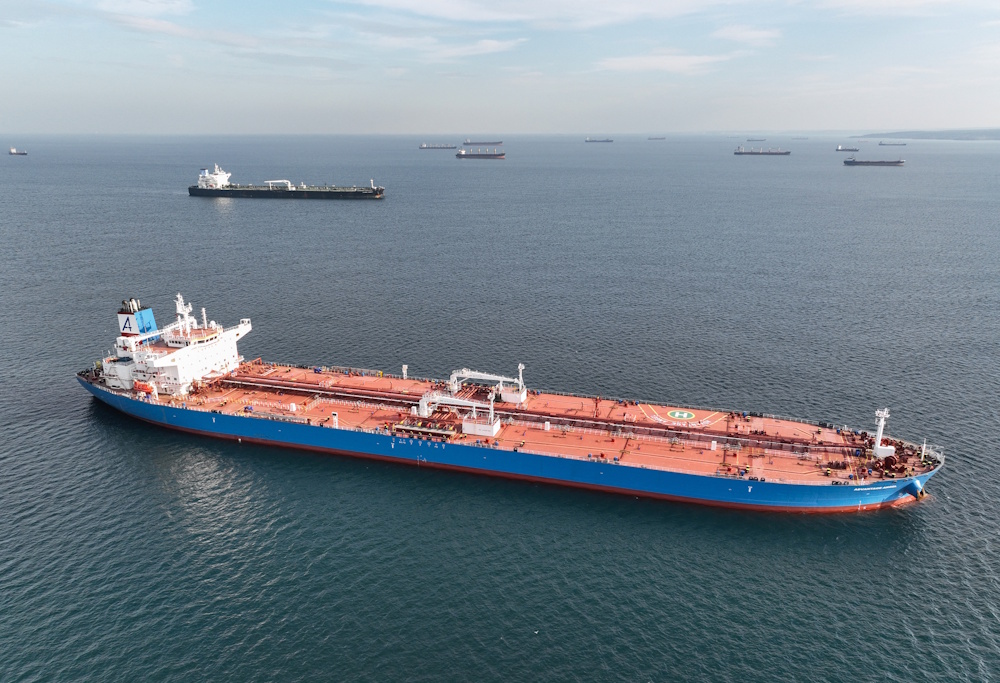
The Strait of Hormuz serves as a critical conduit for global oil transportation, with approximately 20% of the world’s oil passing through this narrow waterway via tankers. Iran has issued a warning regarding potential attacks on any tanker navigating through the strait. The situation has resulted in a complete halt of oil pickups and deliveries in the region. The estimated 20% of disrupted supply is approximately double the record established during the Suez Crisis of 1956-1957, as per historical data from Rapidan Energy Group. The conflict has significantly diminished spare capacity, as Saudi Arabia and the United Arab Emirates find themselves isolated from the global oil markets. Spare capacity quantifies the additional oil production that can be swiftly reactivated if necessary, functioning as a stabilizing mechanism in energy markets. “The outcome is a market devoid of any substantial buffer. There is no swing producer to step in,” noted Bob McNally. Due to the stagnation in oil movement, producers in the oil-rich region have exhausted their capacity to store crude oil. They have been compelled to reduce their production levels. With the increase in oil prices, gasoline prices have also risen correspondingly. US gas prices have increased approximately 50 cents over the past week, reaching $3.48 per gallon, a level that exceeds any recorded during President Donald Trump’s administration.
The positive development: The global supply of oil is abundant. Prior to the conflict, we were experiencing a supply glut, which accounts for the low oil prices that hovered around $60 a barrel before the military actions taken by the United States and Israel against Iran. Oil traders are skeptical about the permanence of $100 oil. Anticipating contracts for delivery in 2027 and 2028, oil futures are currently positioned in the high $60s, as observed by Dan Pickering, founder and chief investment officer at Pickering Energy Partners. The unfavorable development: The conflict with Iran is extending beyond the expectations of the majority of traders. The significant increases in oil prices indicate that initial complacency is yielding to the stark realization that the conflict is unlikely to conclude swiftly. “I would argue that the recent movement appears somewhat exaggerated in the immediate term; however, if there is no improvement in traffic around the strait by the end of March, we could see prices reach $150 a barrel,” stated Homayoun Falakshahi.
In the interim, governmental bodies are striving to mitigate the upward pressure on market prices: The finance ministers of the G7 nations are scheduled to convene on Monday to deliberate on a coordinated release of oil reserves. The Trump administration persisted in advocating a strategy to provide insurance for oil tankers navigating the strait, following statements from maritime insurers indicating they would refrain from covering vessels in the area in the event of an attack. The White House has indicated its intention to arrange naval escorts for vessels; however, a concrete plan has yet to materialize. Shipping companies have expressed reluctance to navigate the area amid ongoing hostilities. In the absence of a persuasive resolution to the closure of the strait, it is likely that oil prices will persist in their upward trajectory. “The higher the price goes, the more pressure on the Trump administration to do something to protect the strait,” stated Pickering. “The longer the delay in re-opening, the greater the upward pressure on prices.” A self-perpetuating cycle.