

The ongoing conflict in the Middle East is poised to challenge the resilience of a global economy already strained by tariffs and various trade disruptions experienced over the past year. Barely a week into the latest turmoil in the region, there are already signs of strain along the carefully orchestrated arteries of global trade: from rice exports stalled at ports in India to increases in the price of fertilizer essential for food production. A sustained conflict that maintains elevated energy prices may lead to increased inflation, which in turn could elevate interest rates, exacerbating the financial burden on borrowers. In the interim, risks to cargo vessels may disrupt supply chains, consequently driving up costs for both enterprises and consumers. The escalating conflict in the Middle East may have significant repercussions for the global economy across various indicators, including inflation and economic growth, as noted by Dan Katz. The magnitude of the economic repercussions will be contingent upon the duration of the situation. Prior to the military actions taken by the United States and Israel against Iran over the weekend, the International Monetary Fund projected a robust global economic growth rate of 3.3% for the current year. The fund has maintained its outlook, stating that it is “too early” to evaluate the economic impact. However, it also indicated that it was “closely monitoring developments” and outlined several risks to the global economy, including increased trade disruptions, “surges in energy prices,” and “volatility in financial markets.” The ramifications of the conflict on the global economy are significantly influenced by energy prices, which experienced a notable increase this week due to concerns regarding supply. Brent crude, the global oil benchmark, is currently trading at levels that have not been observed in over 18 months.
The primary concern in this scenario is an extended shutdown of the vital Strait of Hormuz, which serves as the predominant route for transporting the Middle East’s abundant oil and natural gas to global markets. The narrow waterway, bordered by Iran on one side and Oman on the other, typically serves as a channel for approximately one-fifth of daily global oil and liquefied natural gas production, as reported by the US Energy Information Administration. Given the current situation rendering the strait nearly impassable, European benchmark natural gas futures have surged significantly. Goldman Sachs suggests that if shipments through the strait are suspended for an extended period exceeding two months, prices could potentially more than double from pre-war levels. European prices remain significantly below the highs reached in 2022, a consequence of Russia’s comprehensive invasion of Ukraine. However, the region’s stockpiles are considerably diminished compared to previous years and will require replenishment before the next winter, likely at a substantially higher expense. Consumer price inflation in the European Union, which was recorded at 2% in January, may increase by over a percentage point if the conflict persists for an extended period, as noted by Holger Schmieding. In that scenario, economic growth could be reduced by as much as half a percentage point, he informed. Motorists are currently facing elevated prices at the pump. On Wednesday, Europe’s largest automobile association, ADAC, reported that gasoline and diesel prices experienced a significant increase in Germany over the past week.
Gasoline prices have experienced an upward trajectory in the United Kingdom. In the United States, levels have reached their peak in 11 months — and small businesses are experiencing significant pressure. Goldman Sachs indicated that if oil prices maintain their present levels for an extended period, US consumer price inflation may increase from 2.4% in January to 3% by year-end. This development may further complicate the Federal Reserve’s ability to implement interest rate reductions in the current year. Asia, in contrast, exhibits heightened susceptibility to a prolonged energy price shock. Approximately 80-90% of crude oil and liquefied natural gas transported via the Strait of Hormuz is intended for the regional market, with China identified as a significant purchaser, as reported. The conflict arises at a notably challenging juncture for China, which on Thursday established its most modest economic growth target in decades. “Most economies in Asia are worse off and facing higher inflation as a result of the attacks on Iran,” Capital Economics’ Asia economists noted on Tuesday, indicating that inflation would increase by half a percentage point in most countries if Brent crude prices persist at current levels. In addition to energy prices, Asian economies may face repercussions through a different avenue: exports.
India is currently experiencing significant challenges. According to Satish Goel, president of the All India Rice Exporters’ Association, over 400,000 metric tons of basmati rice cultivated in the country for export are currently stranded at Indian ports or en route, as the ongoing conflict hampers shipping routes throughout the Middle East. Approximately 75% of India’s yearly basmati rice exports, totaling around 6 million tons, are directed towards the Middle East, as reported. The Middle East has emerged as a significant market for Asian exporters facing the impact of increasing US tariffs, as noted by Deepali Bhargava. Should the conflict continue, India and China are likely to incur the greatest losses, she noted in a memorandum on Monday. India’s halted rice exports signal a more significant concern: the risk of broader disruptions to global trade and food production. “The Strait of Hormuz is essential for global food production,” stated Svein Tore Holsether in an interview. Approximately one-third of global urea exports, a commonly utilized fertilizer, transit through the strait, along with significant quantities of other essential raw materials required for fertilizer production, he noted. “Fertilizers represent more than a mere commodity – they are essential to nearly half of global food production.” Urea prices in Egypt, serving as a key industry benchmark, have surged by 35% this week, as reported. The prices of sulphur, a key component in fertilizer production, have experienced a significant increase. According to CRU Group, almost 50% of the global sulphur trade originates from Middle Eastern nations. The ongoing conflict in the Middle East is likely to elevate input costs and may also result in congestion at ports situated far from the hostilities, consequently delaying the global shipment of goods as vessels are redirected.
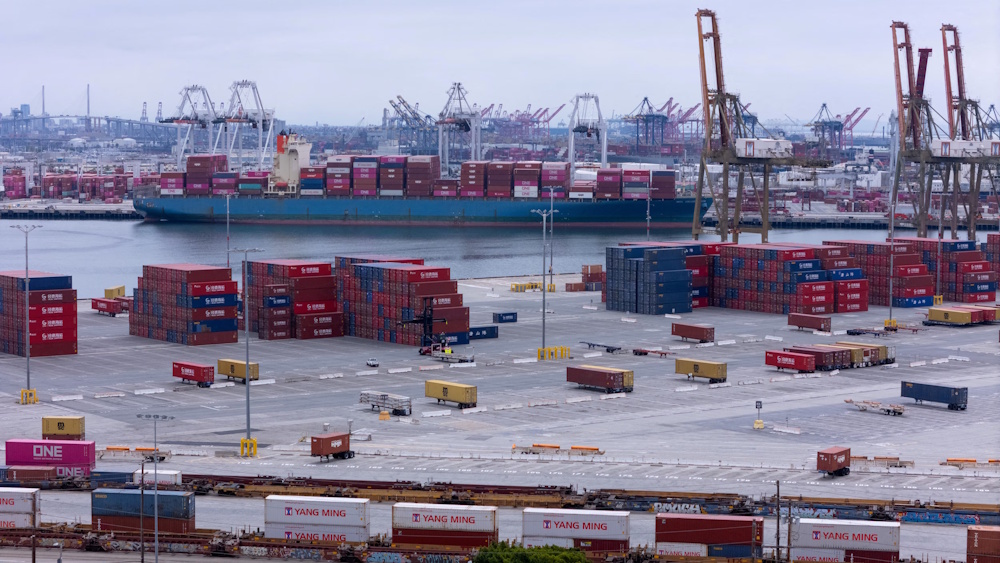
Containers destined for the Middle East are beginning to accumulate at ports in India following the suspension of shipping services to the region by several major carriers, as noted by Judah Levine, head of research at logistics firm Freightos. The prolonged nature of the disruption increases the likelihood that shortages of containers and diminished shipping capacity may manifest in other areas, he noted in a communication on Thursday. Air cargo may face significant challenges, as numerous planes remain grounded in the Middle East and airspace restrictions in the region are quite severe. This week, Adidas issued a warning regarding potential delays for certain shipments dispatched via airfreight. According to Levine, Middle Eastern airlines such as Emirates, Qatar Airways, and Etihad represent approximately 13% of the global air cargo capacity. The International Air Transport Association reports that air cargo constitutes approximately one-third of global trade by value, frequently carrying high-value goods such as smartphones, microchips, and various electronics. This week, shipping analytics firm Xeneta highlighted significant concerns: “Escalating conflict in the Middle East is creating immediate uncertainty for supply chains, with vessel movements changing by the hour and shippers left managing cargo that may no longer reach its intended ports.”