

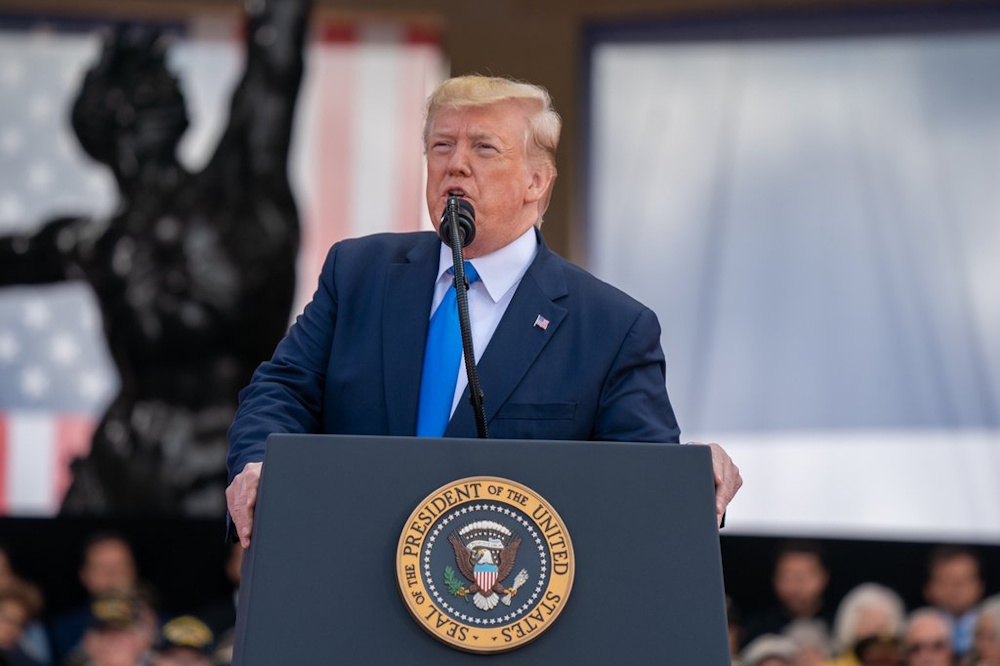
President Donald Trump consistently seizes the chance to critique his predecessor regarding economic matters, asserting that former President Joe Biden is responsible for the inflation crisis. However, certain economic proposals put forth by Trump are beginning to resemble those of Biden. At the commencement of Biden’s presidency, the unemployment rate was elevated; however, the broader economy was expanding rapidly, recovering from the pandemic’s impact. The Biden administration, alongside a Democratic-majority Congress, enacted a stimulus package approaching $2 trillion, which featured $1,400 direct payments to taxpayers. This occurred merely a year after the Trump administration had implemented an earlier stimulus bill, while the Federal Reserve had reduced interest rates to zero in an effort to stimulate economic growth. Democrats predominantly overlooked apprehensions from detractors regarding the potential for extensive stimulus to drive inflationary pressures upward. While not the sole contributor, those warnings materialized: Inflation hit a four-decade peak in 2022.
Trump currently faces a markedly different economic landscape compared to Biden. Affordability stands as the foremost challenge currently, with interest rates markedly elevated at this time. However, there are parallels between the initial economic landscapes of Biden and Trump, characterized by a lackluster job market alongside robust overall economic expansion. The Commerce Department announced on Tuesday that the United States’ gross domestic product expanded at an annualized rate of 4.3% during the summer, marking the most rapid growth observed in two years. This should prompt Trump to reconsider his proposal to invigorate the robust economy through stimulus measures, including $2,000 checks, alongside his recent advocacy for low interest rates. These are the identical decisions that he and other critics of Biden assert have contributed to the inflation crisis.
Last week, Trump shared an extensive message on social media, which he referred to as “The Trump Rule.” The Fed, under the leadership of a new chair he intends to nominate shortly, ought to consider lowering interest rates to sustain momentum in the stock market and the broader economy, even if it entails the potential risk of inflationary pressures. “I want my new Fed Chairman to lower interest rates if the market is doing well, not undermine the market for no reason whatsoever,” Trump posted. Trump asserted that a robust stock market has the potential to enhance economic growth by as much as 20% annually. This statement exemplifies typical exaggeration associated with Trump. Historically, the US economy has not achieved a growth rate of 9% in any single year. The most rapid expansion observed in the last forty years occurred in 2021, during Biden’s initial term, as the economy rebounded from the pandemic, resulting in a growth rate of 6.1%. That’s also not how the economy functions: The stock market itself does not significantly contribute to economic growth – it enhances the net worth of wealthier Americans, but the market serves more as a reflection of investors’ expectations regarding the future direction of the economy rather than acting as an economic engine in its own right.
However, Trump’s overarching sentiment is accurate: The Federal Reserve typically increases interest rates in response to an overheating economy and reduces them when economic activity is decelerating. Implementing a counterintuitive approach, such as reducing rates during periods of rapid economic expansion, has the potential to further enhance economic growth. One indicator of an overheated economy is inflation. The principles of supply and demand elucidate the potential inflationary effects of Trump’s economic proposals: Distributing $2,000 checks would enhance demand while not increasing supply. Appointing a Federal Reserve chair who advocates for lower interest rates may lead to an increase in inflation, contingent upon the rate-setting committee adhering to the new chair’s recommendations. Trump is effectively promoting a return to a Biden-era mix of low rates, strong growth, and higher disposable income, complicated further by tariffs that are keeping prices elevated. While the Fed is expected to hold rates until mid-2026 to support a weakening labor market, persistent deterioration could eventually force rate cuts, even at the risk of renewed inflationary pressure.