

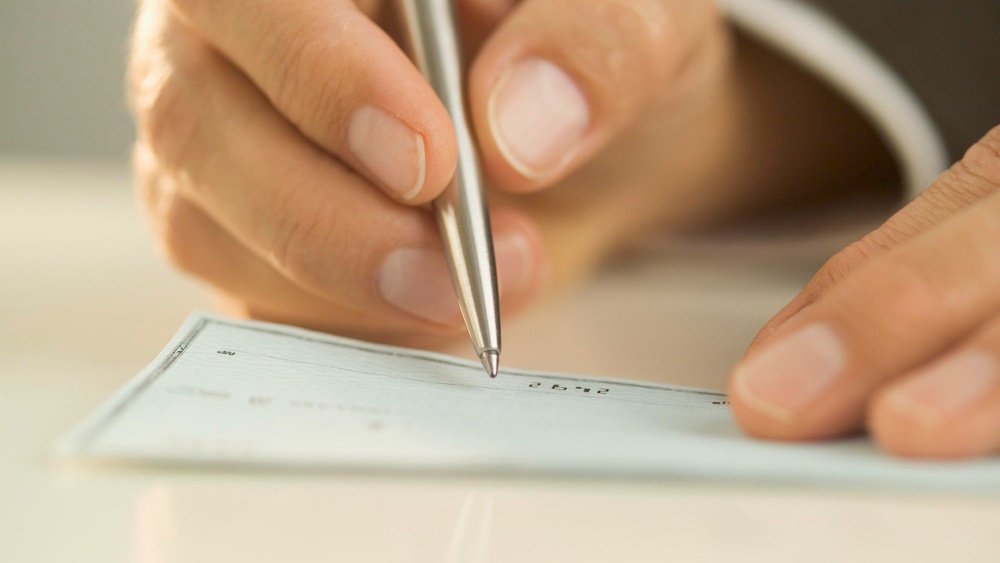
The cessation of penny production by the US Mint last month, marking the first instance in 238 years, garnered significant attention. However, there have been subtle efforts to phase out the use of paper checks as well. The government ceased the distribution of the majority of paper checks to recipients as of the conclusion of September, aligning with an initiative aimed at the comprehensive modernization of federal benefits payments. On Thursday, the Federal Reserve issued a notice indicating that it is contemplating – albeit merely contemplating – the “winding down” of the checking services currently offered to banks. The central bank’s statement indicated that, rather than discontinuing those services, it is considering increased investment in its check processing capabilities, although it acknowledged that this would incur greater expenses. However, it is also contemplating the possibility of refraining from such investments to maintain costs at a relatively stable level. This would result in diminished reliability of those services in the future. “Over time, check use has steadily declined, digital payment methods have grown in availability and use, and check fraud has risen,” stated the notice from the Fed. “Additionally, the Reserve Banks will require significant investments in their check infrastructure to maintain the current level of check services in the future.”
A report from the Federal Reserve Bank of Atlanta in June indicated that as of the previous year, over 90% of surveyed consumers expressed a preference for payment methods other than checks for settling bills, with only 6% opting to pay by check. This represents a significant decline from the 18% of bills settled by checks in 2017. Consumers indicated that they perceive checks as the second least convenient and speedy payment method, surpassed only by money orders. They are classified as the least secure payment method, aside from cash. However, it remains the case that options like direct deposit, automatic bill payment, and electronic payment systems such as Venmo, PayPal, and Zelle have diminished the necessity for traditional checks; nonetheless, paper checks continue to play a significant role in the payment system. Approximately 5% of transactions are accounted for by them, while they constitute 21% of the total value of all payments, as stated by Michelle Bowman. “Checks remain important payment mechanisms for consumers and businesses,” she stated. “Discontinuing Federal Reserve check services is not an efficient solution to the growing problem of payments fraud, particularly in light of the ongoing role of checks in the payments system.”
The origins of checks remain somewhat ambiguous; however, it is believed that they can be traced back approximately 2,400 years. The initial modern checks emerged as a popular financial instrument over 500 years ago. “(In) the early 1500s, in Amsterdam, Holland, …. people who had accumulated cash began depositing it with Dutch “cashiers,” for a fee, as a safer alternative to keeping the money at home, then the cashiers agreed to pay the debts out of the money in each account, based on the depositor’s written order or “note” to do so,” stated in a post. The elimination of paper checks may present challenges for consumers lacking access to conventional banking services, as they continue to rely on these physical instruments to receive certain funds, such as their wages. In 2024, approximately 6% of adults were classified as “unbanked,” as reported. This designation indicates that neither the individual nor their spouse or partner possessed a checking, savings, or money market account. The proportion of unbanked individuals increases to 22% among those earning less than $25,000. Older consumers, who may not possess the same level of comfort with emerging technologies, along with the estimated 10% of Americans lacking smartphones, could face significant disadvantages as the shift towards electronic payment systems accelerates.
Checks remain a significant payment method for certain merchants, offering a cost-effective alternative to the elevated transaction fees linked to credit card acceptance. “Checks are obviously not used nearly as much as they used to be, but they’re still an important part of the financial system, especially for low-income people,” stated Doug Kantor. He stated that winding down the checking system would lead to numerous unforeseen and complex issues. He also highlights that a significant number of individuals continue to utilize checks for their monthly bill payments—sometimes without even being aware of it—if they have instructed their bank to execute various payments on their behalf. He expressed that he could not foresee a reduction in the checking system in the near future. “At some point, they may well be eliminated entirely.” Determining the extent of the tail remains a challenging endeavor,” he stated. “It is my belief that they are not prepared to conclude operations at this juncture, and I would anticipate that they are not inclined to do so, given the considerable number of individuals – albeit a minority – who depend on the system.”