

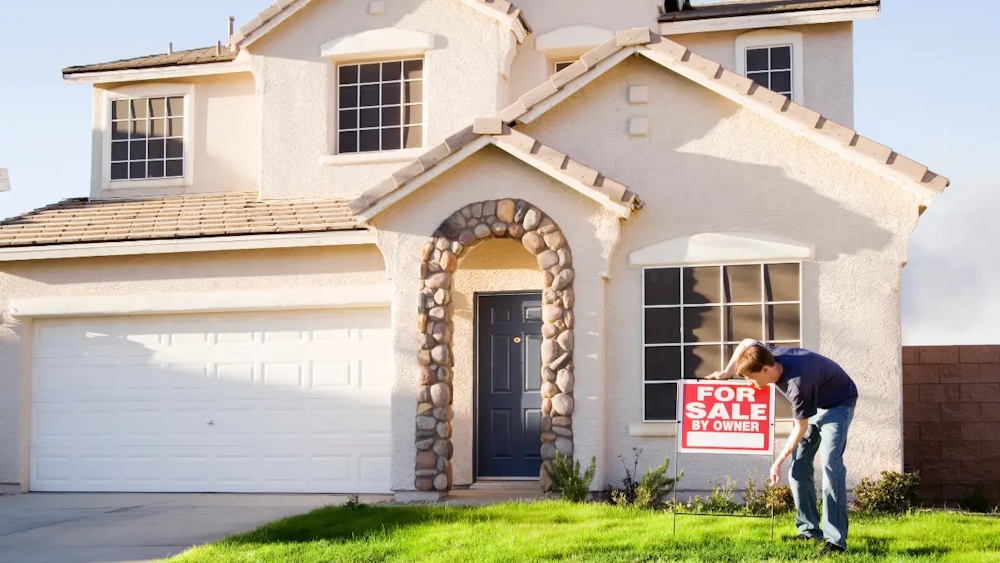
Next year could signify a pivotal moment for the US housing market. Following an extended period of stagnation characterized by elevated borrowing costs and escalating prices that have excluded numerous Americans from homeownership, analysts project that conditions could start to change in 2026. However, in the coming year, a considerable number of economists express optimism regarding the housing market, expecting that increasing incomes will begin to surpass home prices, making homes appear more affordable for many Americans. Redfin has referred to 2026 as “The Great Housing Reset,” while Compass has described it as the start of a “new era.” After years of historically low sales volumes, even a modest increase in activity would mark a pivotal shift, especially as the Trump administration has signaled a focus on housing affordability in 2026, though details remain limited.
In recent years, the housing market has appeared stuck, according to Mike Simonsen, with sales declining even as prices continued to rise. He expects that in the next phase there will be sufficient inventory nationwide to allow sales to finally increase in 2026. While multiple factors could drive this change, government reform is unlikely to be the primary catalyst. Home prices have surged nearly 55% nationwide from early 2020 through the third quarter of 2025, driven by demand far outpacing supply. At the same time, many homeowners have been reluctant to sell because they are locked into ultra-low mortgage rates from prior years, limiting listings. As borrowers adjust to rates above 6%, more sellers may enter the market in 2026, boosting inventory and easing price pressures, even as states like Florida, Texas, and California saw average prices decline from recent peaks in 2025.
Despite these shifts, a sharp nationwide drop in home prices is unlikely. Simonsen expects prices to remain near current levels, forecasting roughly a 0.5% increase next year, effectively flat. Many buyers may still feel priced out, underscoring that the most effective long-term solution is expanding housing supply through construction—an area where progress remains insufficient. Mortgage rates have trended lower in recent months, with the average 30-year fixed rate at 6.18% last week, down from nearly 7% at the start of 2025. Simonsen expects rates to stay above 6% in 2026, though a weakening labor market or easing inflation could prompt the Federal Reserve to cut rates more aggressively, indirectly influencing mortgage costs via the 10-year Treasury yield.
Consumer confidence will remain critical, according to Coldwell Banker Affiliates president Jason Waugh, who warned that fears over job security could deter buyers from long-term commitments. Meanwhile, renters saw some relief in 2025 as rent growth cooled, with rents flat year over year in October for the first time in three and a half years, according to Bank of America. That relief may be temporary, as Redfin expects strong rental demand to persist and rents to rise 2% to 3% annually by the end of 2026. President Donald Trump has signaled plans for aggressive housing reforms next year, with officials highlighting regulatory changes to speed approvals and incentivize construction, though concrete details remain scarce. While proposals such as 50-year mortgages and portable mortgages have been floated, analysts caution that limits remain on what can realistically be achieved in 2026.